
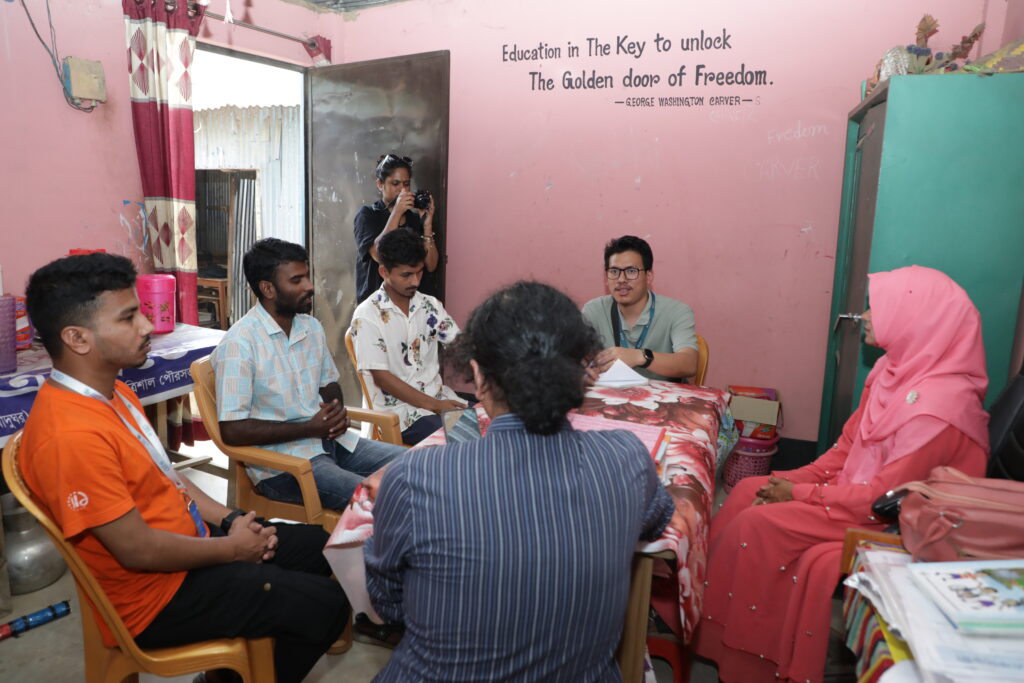
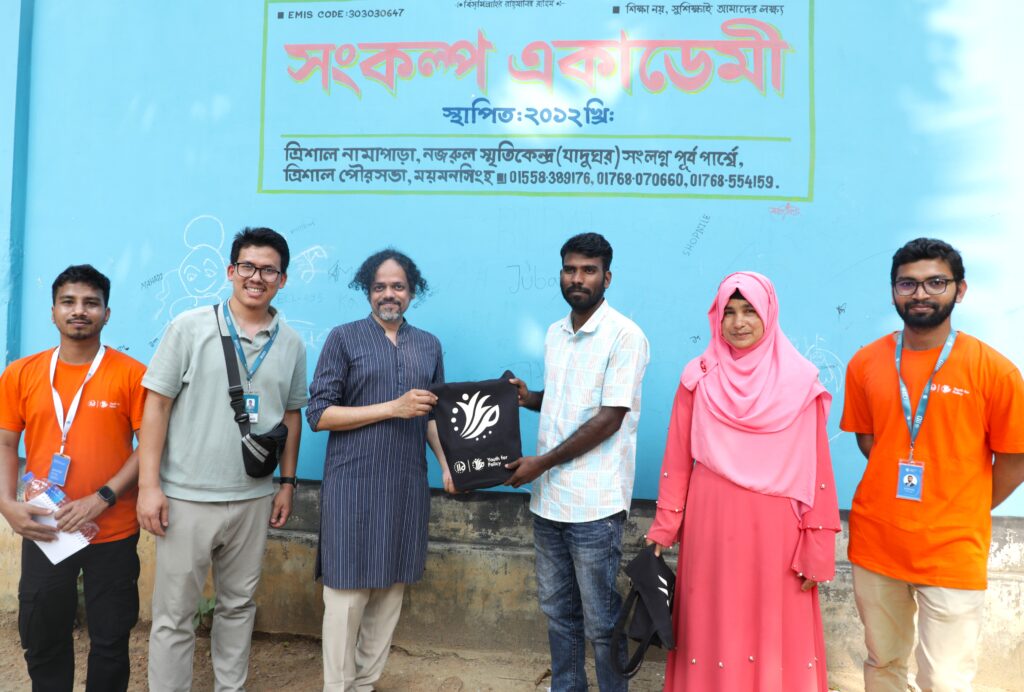
The team later visited Sankalpa Academy, located near the Kazi Nazrul Islam Memorial Museum. In 2024, Youth for Policy volunteers implemented environmental awareness and tree plantation activities at the site under the “Greener Earth for a Better Tomorrow” campaign.
During the visit, the team observed the progress of the planted trees, many of which have grown significantly, with some already bearing fruit. The development reflected the long-term impact of sustained youth volunteerism and community engagement.
However, the visit also sparked a deeper reflection on environmental action beyond plantation numbers alone. Participants emphasized that planting a tree is only the beginning of ecological responsibility. Not every seed grows into a surviving tree, and not every surviving tree contributes meaningfully to local ecological balance.
The discussion highlighted that what is planted, where it is planted, and why it is planted are equally important considerations. Species selection, local biodiversity, soil suitability, and long-term maintenance were identified as critical factors for ensuring meaningful environmental impact rather than symbolic plantation activities.
“The growth of these trees reflects how small community actions can create visible and lasting change when young people remain actively involved,” an IID representative added.
Youth Dialogue on Civic Engagement and Local Challenges
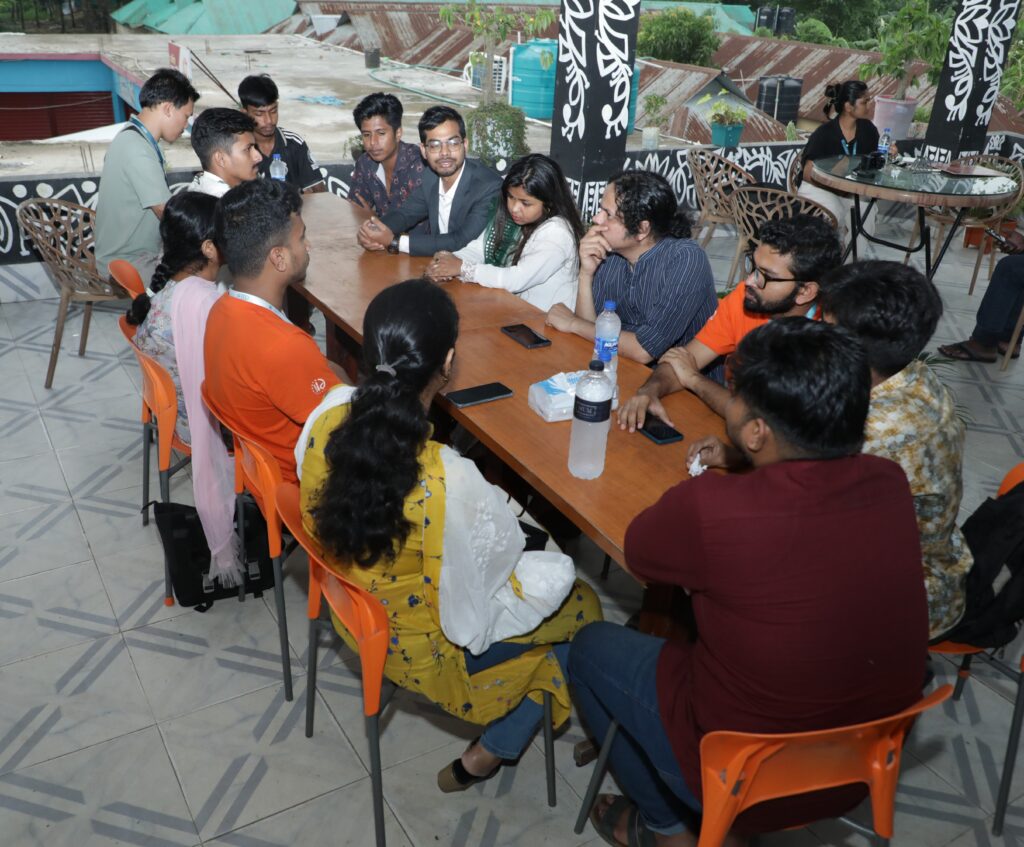
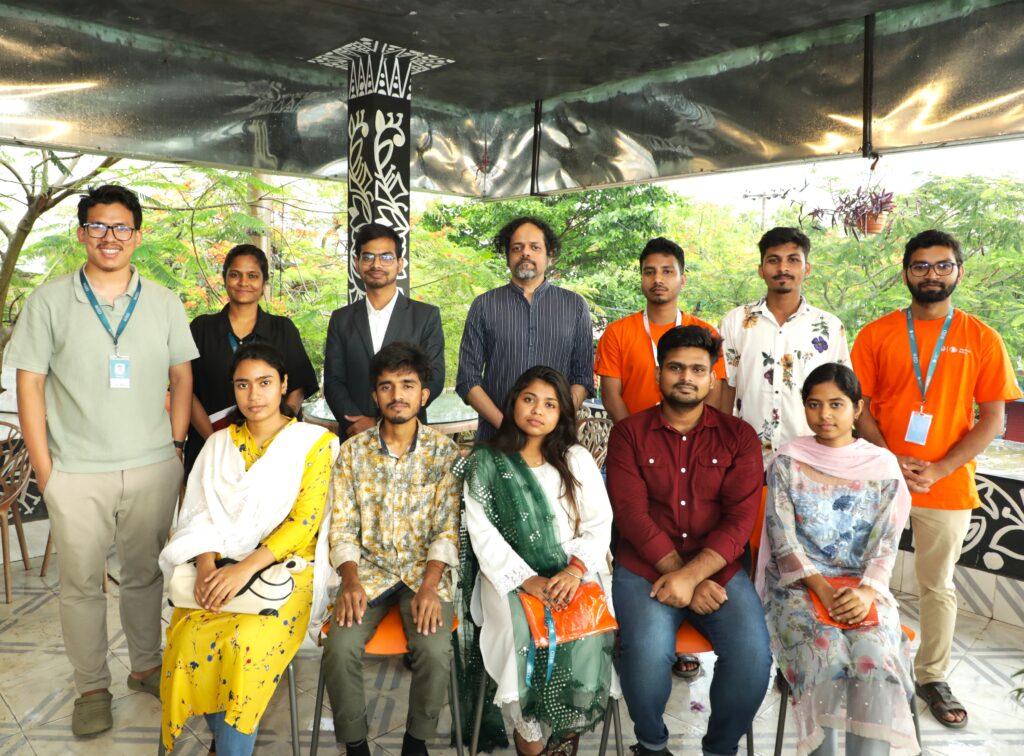
The final segment of the visit featured an interactive discussion with volunteers from the Youth for Policy Mymensingh Committee. Conversations focused on the mission of IID and Youth for Policy, the role of young people in community development, lived experiences of volunteerism, and the importance of building informed and responsible citizenship.
Volunteers shared their perspectives on local challenges and explored how youth networks can contribute to awareness-building, advocacy, and grassroots-level social change. The dialogue also emphasized the importance of sustained engagement beyond one-time initiatives, encouraging deeper community-rooted action.
Building Evidence-Based Youth-Led Development
The field visit demonstrated how youth-led initiatives can move beyond short-term campaigns to support deeper community engagement and locally relevant problem-solving. Insights from the visit are expected to contribute to strengthening future grassroots programmes, expanding youth participation, and advancing collaborative approaches to education and community development in Bangladesh.
Overall, the initiative reinforces Institute for Informed Development (IID)’s ongoing commitment to youth empowerment, evidence-based advocacy, and sustainable development practice across the country.