Stakeholders emphasize inclusive education, teacher capacity, and policy reform during ICAN/ICAR findings dissemination
Institute for Informed Development (IID) organized a local education dialogue in Netrokona to disseminate findings from the ICAN/ICAR assessment and facilitate discussions on foundational learning, inclusive education, teacher training, and education policy reform in Bangladesh. The event brought together government officials, educators, indigenous representatives, youth leaders, guardians, journalists, and development stakeholders to discuss challenges affecting children’s learning outcomes and equitable access to quality education.
The session began with welcome remarks from SM Mazibur Rahman, followed by remarks from Syeed Ahamed, CEO of IID, who highlighted the organization’s commitment to evidence-informed policy dialogue and inclusive development. Referring to Bangladesh’s commitment to achieving the Sustainable Development Goals (SDGs) by 2030, he noted that the ICAN/ICAR assessment is part of a global initiative assessing children’s foundational reading and mathematics competencies among children aged 6 to 15.
Syeed Ahamed emphasized that the initiative was guided by the principle of ensuring that no child is left behind and that the findings should contribute to more inclusive, context-sensitive, and equitable education planning in Bangladesh. He further stated that evidence generated through such assessments can support policymakers, educators, and development stakeholders in identifying learning gaps and strengthening foundational education systems across the country.
The dialogue featured extensive discussions on the quality of education, dropout prevention, teacher training, inclusive learning environments, and the future readiness of Bangladesh’s young population. Speakers repeatedly stressed that increasing education budgets alone would not be sufficient without effective monitoring, institutional accountability, and investment in teacher capacity and student wellbeing.
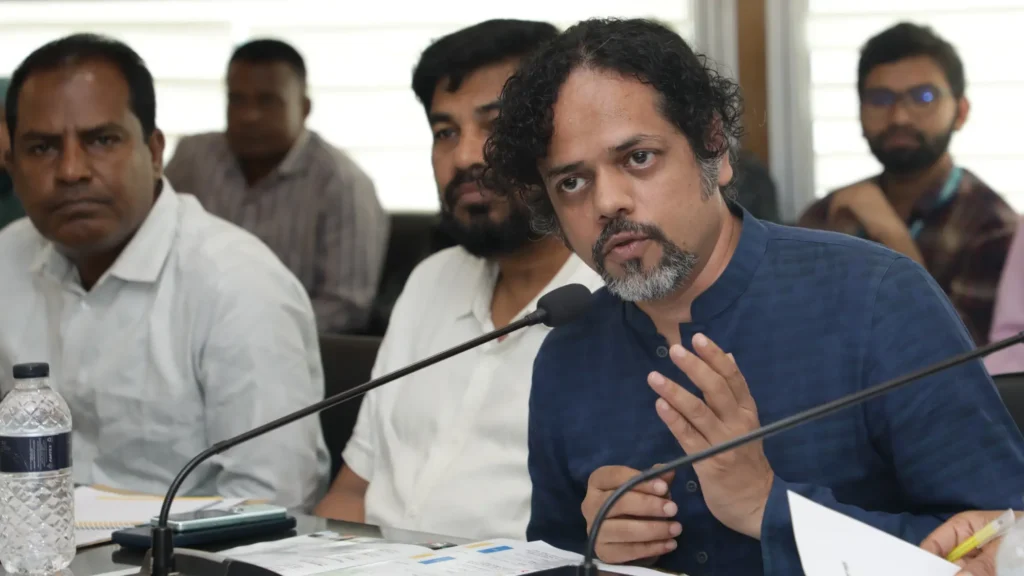
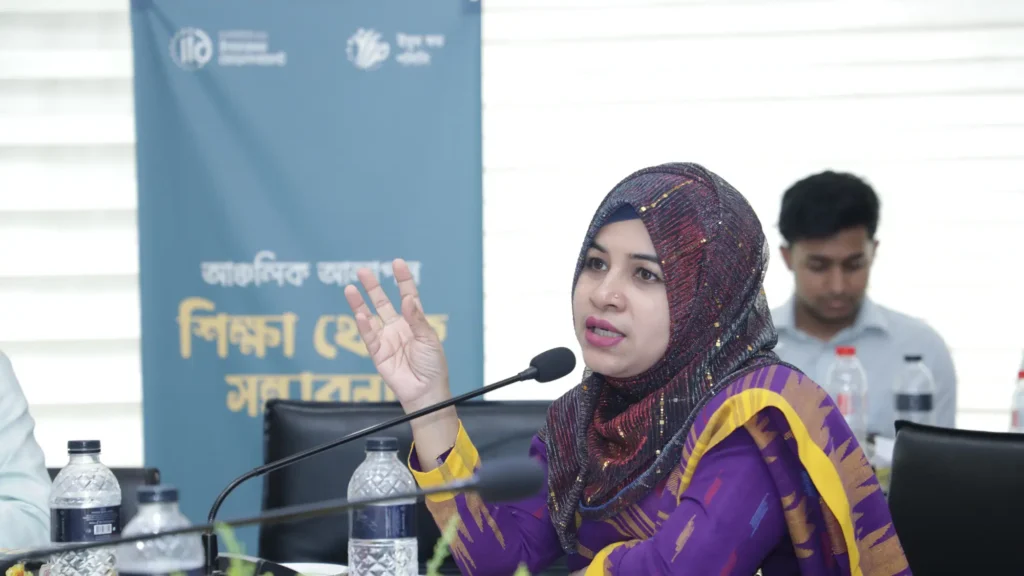
Poet and former NGO worker Tanbir Jahan Chowdhury highlighted the importance of addressing the psychological dimensions of children’s learning alongside academic performance. Youth representative Golam Kibriya from Youth for Policy emphasized concerns regarding school attendance, limited monitoring systems, and the need for skill-based education and fair teacher recruitment processes supported by proper training.
A significant part of the discussion focused on the educational challenges faced by indigenous communities in Netrokona. Indigenous expert Ali Ahmed Khan Ayub noted that several indigenous groups in the district, including the Garo, Hajong, Koach, and Banai communities, continue to face language barriers in schools because many children are not fully comfortable learning in Bangla. He stressed the need for future studies and education policies to better reflect these realities.
Indigenous women representative Jukto Sangma also raised concerns regarding discrimination and unequal access to educational opportunities for indigenous children. Participants emphasized that inclusive education policies must better address the needs of marginalized communities and children with disabilities, including visually impaired learners.
Teacher Noni Gopal Sarker stressed that primary education curricula should be more aligned with local geography, agriculture, environmental realities, and community contexts. Education Officer Jahangir Kabir Ahmed referred to government commitments to increase education spending from 2 percent to 5 percent and highlighted initiatives such as “one teacher, one tab” aimed at strengthening digital literacy and technology integration within the education system.
Guardians participating in the dialogue shared concerns regarding overcrowded classrooms and punitive teaching practices that negatively affect students’ confidence and participation in learning. Speakers highlighted the importance of creating supportive and child-friendly classroom environments where all students, including weaker learners, receive equal attention and encouragement.
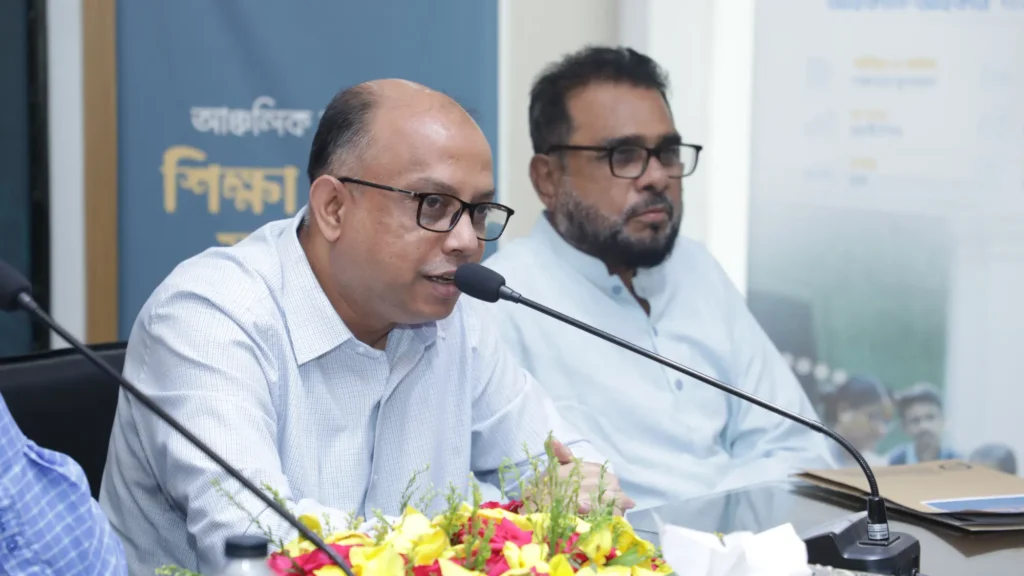
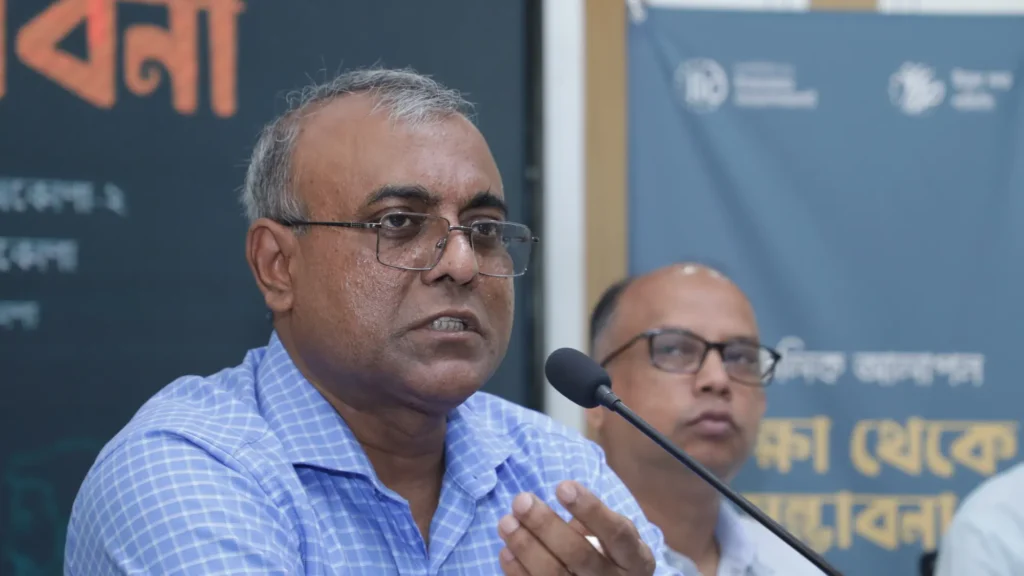
Dr. Md. Harunur Rashid, Registrar of Netrokona University, pointed to the shortage of adequately trained teachers in Bangladesh and shared that the university is initiating research on wetland and haor management. Linking education challenges with local realities, Assistant District Commissioner Munmun Jahan Liza emphasized the need for joyful learning approaches, regular guardian meetings, and additional support for students from vulnerable backgrounds. She also stressed the importance of strengthening children’s digital readiness in the context of rapid technological advancement and artificial intelligence.
Special guest Md. Nurujjaman, Advocate, called for greater accountability within the education system and stressed that students should not be blamed for systemic shortcomings. He emphasized the need for teachers to pay attention to all learners, including those who struggle academically.
Professor Dr. Md. Anowarul Haque, MP for Netrokona-2, expressed concern over frequent curriculum changes and broader policy-level weaknesses affecting Bangladesh’s education sector. He stated that sustainable education reform requires long-term, research-based planning and that budget allocation alone cannot address systemic challenges within the sector.
Concluding the event, District Commissioner Khandakar Musfikur Rahman emphasized that the findings and recommendations emerging from such dialogues should contribute to future policy-making processes. He also highlighted the importance of conducting more focused studies on haor regions like Netrokona, where seasonal flooding significantly disrupts children’s access to education during monsoon periods.
The dialogue reflected a shared commitment among stakeholders to strengthen foundational learning, promote inclusive education, and ensure equitable opportunities for all children in Bangladesh. Participants emphasized that sustainable education reform will require coordinated efforts among government institutions, educators, communities, and development organizations to build a more inclusive, resilient, and future-ready education system.