
The Institute for Informed Development completed the ICAN, ICAR, and ICASEL pre-pilot across Ukhiya’s host communities and Rohingya Camp-18 to strengthen context-responsive child learning and social-emotional assessments for humanitarian and development settings.
Every child deserves the opportunity to learn, grow, and reach their full potential. But understanding whether children are truly learning requires looking beyond reading and numeracy alone. Their ability to manage emotions, build positive relationships, solve problems, and adapt to challenging environments is equally important. Measuring these competencies—particularly in humanitarian and culturally diverse settings—requires assessment tools that are both internationally comparable and locally relevant.
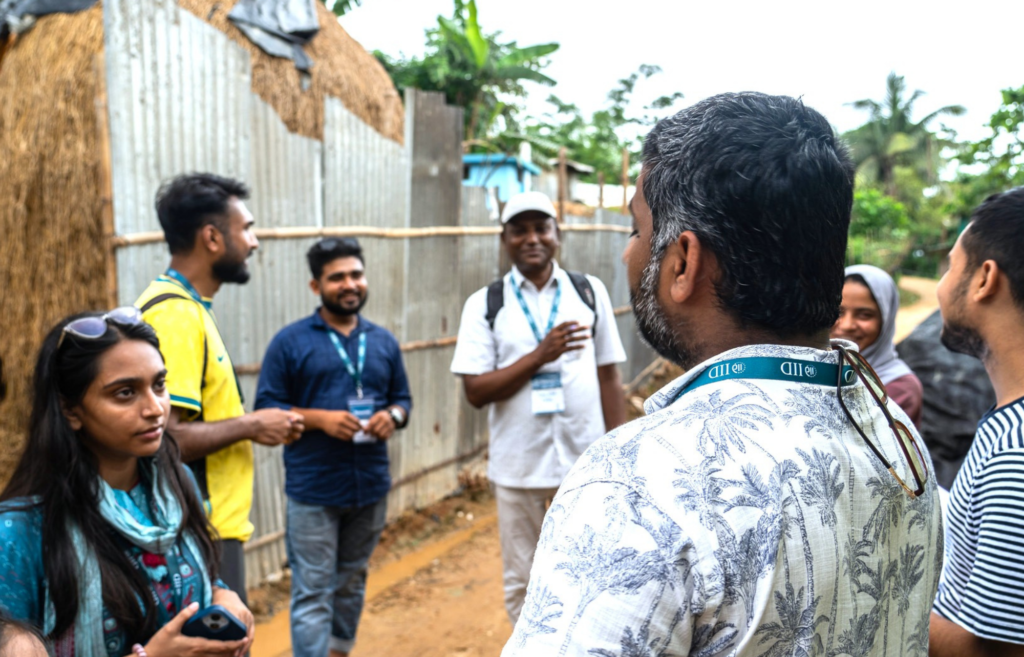
Recognising this need, the Institute for Informed Development (IID) successfully completed the pre-pilot of the International Common Assessment of Numeracy and Reading (ICAN-ICAR), and the International Common Assessment of Social and Emotional Learning (ICASEL) across Ukhiya’s host communities and Rohingya Camp-18 in Cox’s Bazar, Bangladesh. Conducted with technical support from PAL Network and field implementation support from YPSA, the initiative engaged children aged 5 to 16 to examine both children’s foundational learning and the effectiveness of the assessment tools across two distinct contexts.
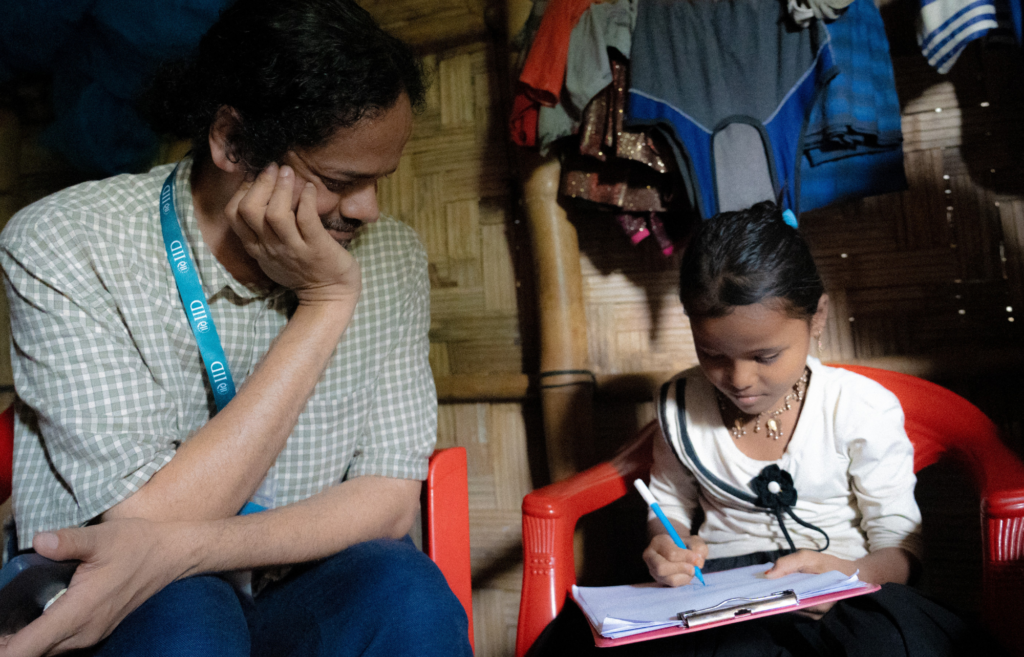
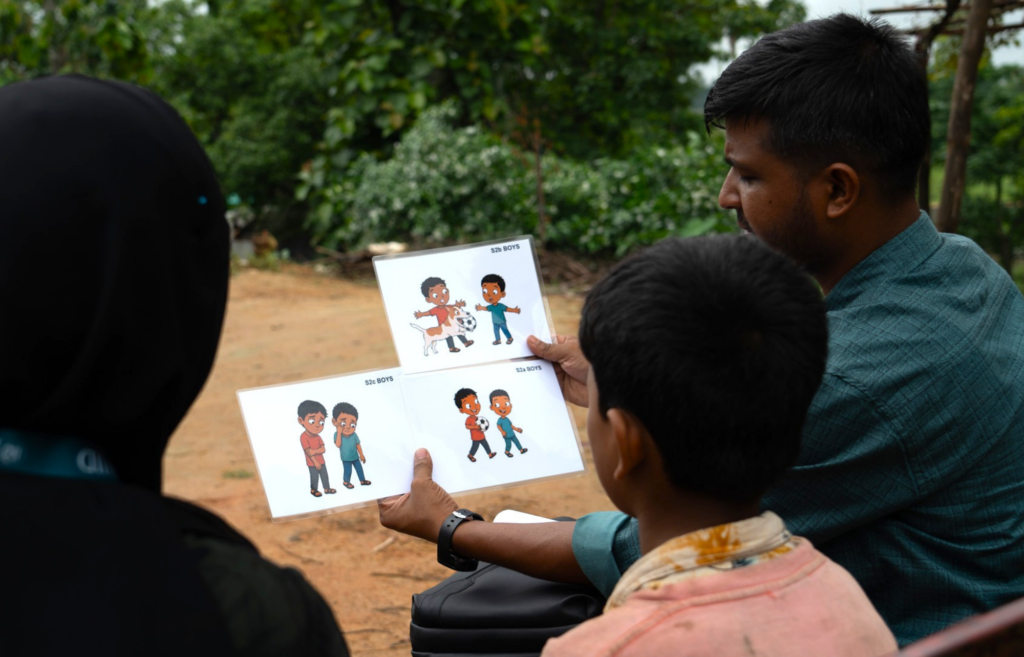
The pre-pilot was intentionally conducted in both host communities and refugee camps to ensure the tools could capture children’s learning and social-emotional development across diverse realities. In the remote communities of Ukhiya, many children grow up with limited access to quality education and essential services. Meanwhile, children living in Rohingya Camp-18 continue to navigate the lasting impacts of forced displacement, language differences, disrupted education, and prolonged uncertainty. Understanding these different learning environments is essential for building assessments that are fair, inclusive, and responsive to children’s lived experiences.
Implemented with the necessary approval of the Refugee Relief and Repatriation Commissioner (RRRC) and in accordance with the guidance of the relevant authorities, the pre-pilot assessed children’s reading, numeracy, and social-emotional learning while also validating the assessment process itself. Field teams carefully observed whether the tools were easy for children to understand, culturally appropriate, age-appropriate, and practical to administer in humanitarian and resource-constrained settings.
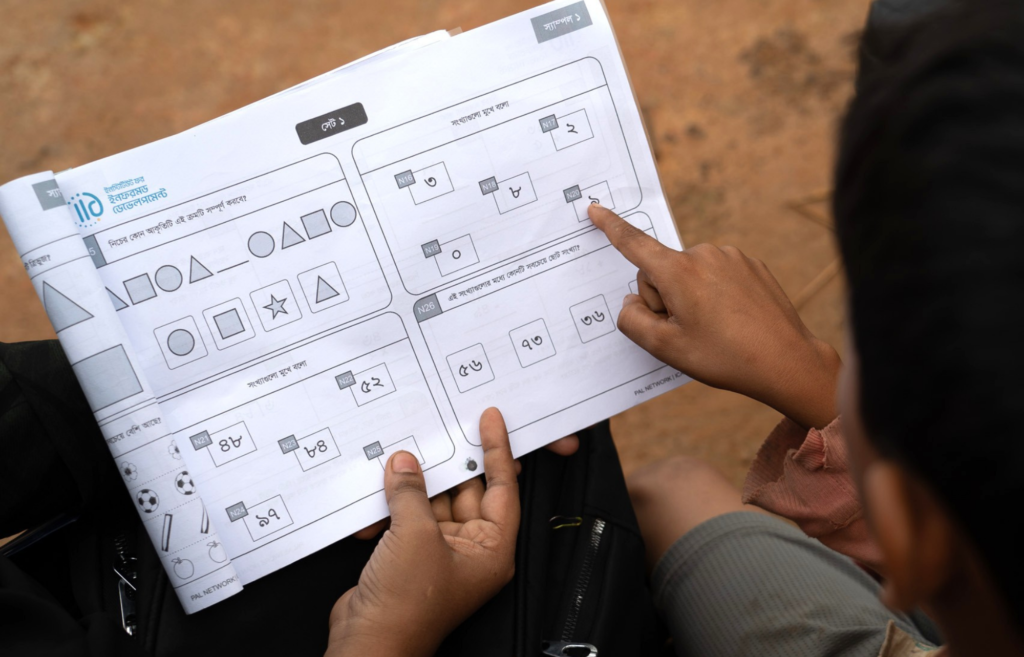
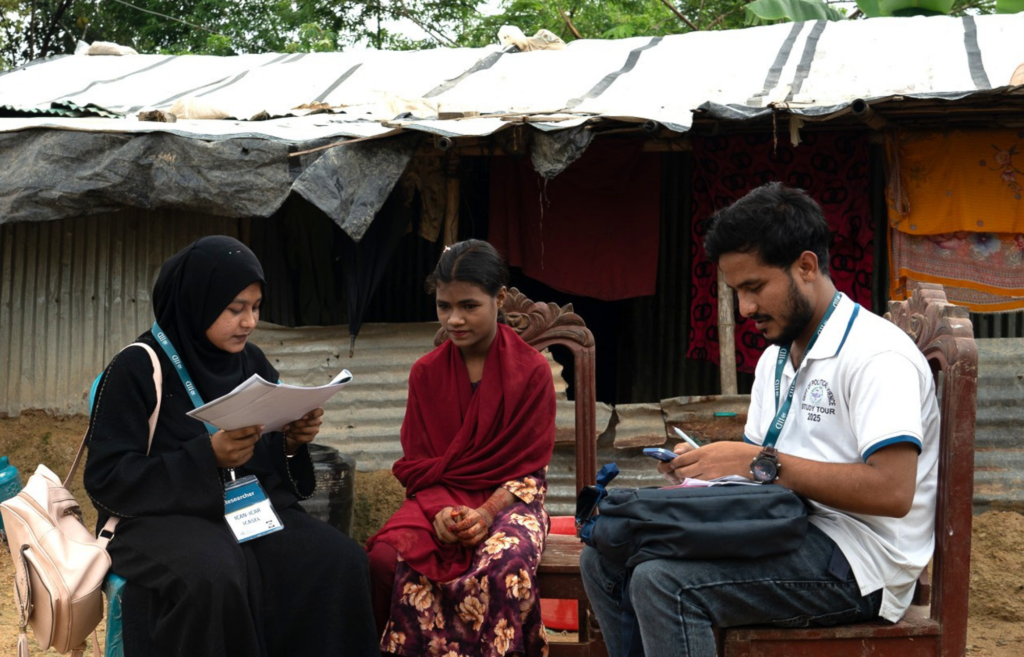
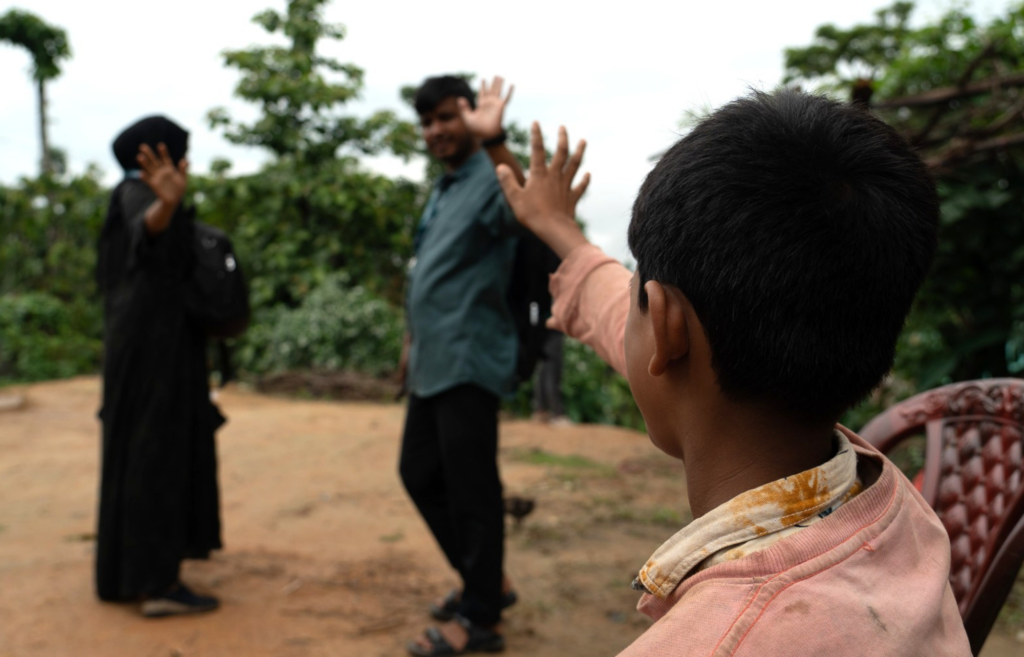
Throughout the fieldwork, trained volunteers engaged children through interactive assessment activities while collecting valuable feedback from children, caregivers, and field teams. These insights will help refine the wording, structure, instructions, and implementation process of the ICAN, ICAR, and ICASEL tools, ensuring they generate more reliable and meaningful evidence across different contexts.
The purpose of the pre-pilot was not simply to measure children’s performance, but to strengthen the quality of the assessment tools themselves. Reliable and context-responsive assessments are essential for understanding where children are in their learning journey and for generating evidence that can guide education policy, programme design, and investment in child development.
Beyond Bangladesh, the lessons and evidence generated through this pre-pilot will contribute to the ongoing refinement of internationally comparable assessment tools for children living in humanitarian and underserved settings. By ensuring that assessments reflect children’s real-life experiences, IID is helping build stronger evidence for improving foundational learning and social-emotional development across diverse global contexts.
Through this work, the Institute for Informed Development continues its commitment to generating informed evidence that supports better education systems, more inclusive assessment frameworks, and stronger opportunities for every child to learn, develop, and thrive—regardless of where they live or the challenges they face.