
Field engagements across schools and communities bring together educators, youth volunteers, and local leaders to explore education challenges and grassroots solutions in Dinajpur.
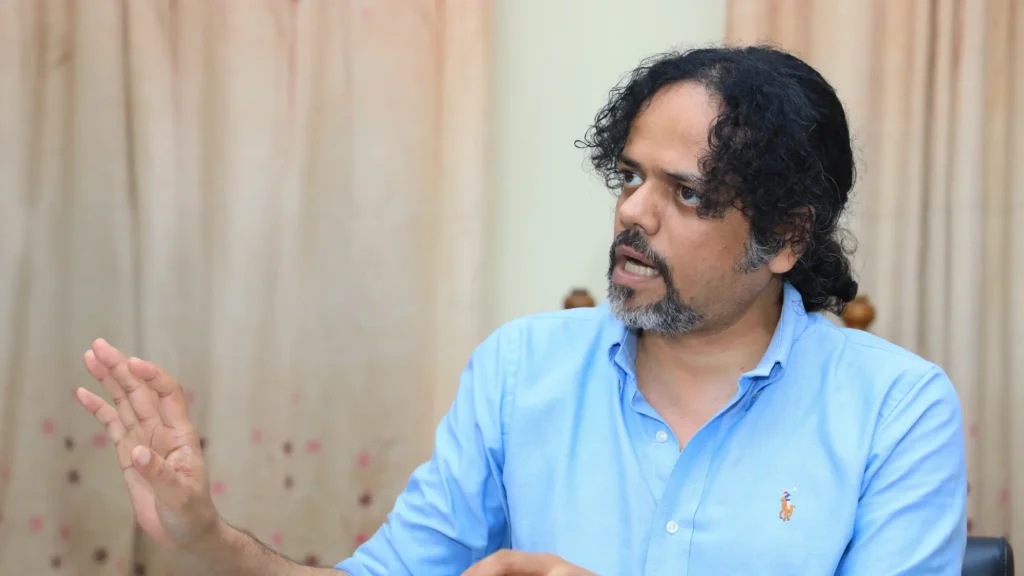
Institute for Informed Development (IID) recently conducted a series of school and community visits in Dinajpur to better understand local education challenges and strengthen youth-led community engagement initiatives in Bangladesh. Led by Syeed Ahamed, the visits brought together teachers, community leaders, and volunteers from Youth for Policy (YfP) to discuss school dropout prevention, child marriage, environmental awareness, and the importance of inclusive education for marginalized communities.
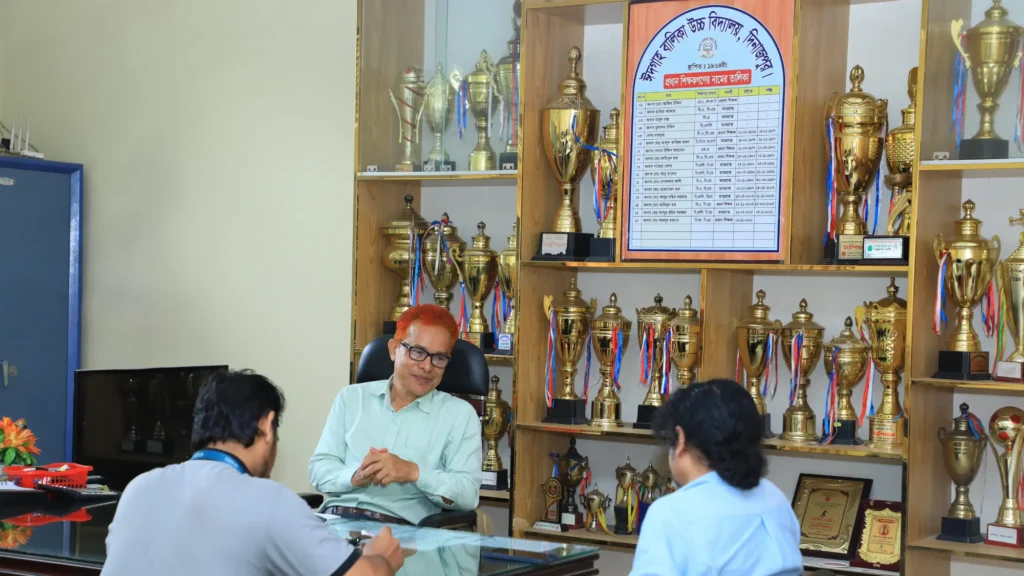
IID Discusses School Dropout Prevention at Eidgah Girls’ High School
The IID team visited Eidgah Girls’ High School, where many students come from low-income families and have faced educational disruption due to poverty and the long-term impact of COVID-19. According to school authorities, more than 150 students dropped out in recent years because of financial hardship and other social challenges. Despite these difficulties, the school has continued working to bring students back through initiatives such as mid-day meal support and efforts to reconnect orphaned children with education. During a discussion with Head Teacher Md. Fazlur Rahman, participants exchanged views on reducing dropout rates, supporting struggling students, and strengthening the role of schools in preventing child marriage. “Education systems need to respond to the realities faced by vulnerable families and communities,” said Syeed Ahamed during the visit. “Collaboration between schools, parents, and local stakeholders is essential to ensure children remain connected to learning.” The discussion also reflected on previous IID and YfP initiatives at the school, including activities related to the Sexual Harassment Complaint Committee (SHCC) and the “Greener Earth for Better Tomorrow 2.0” campaign.
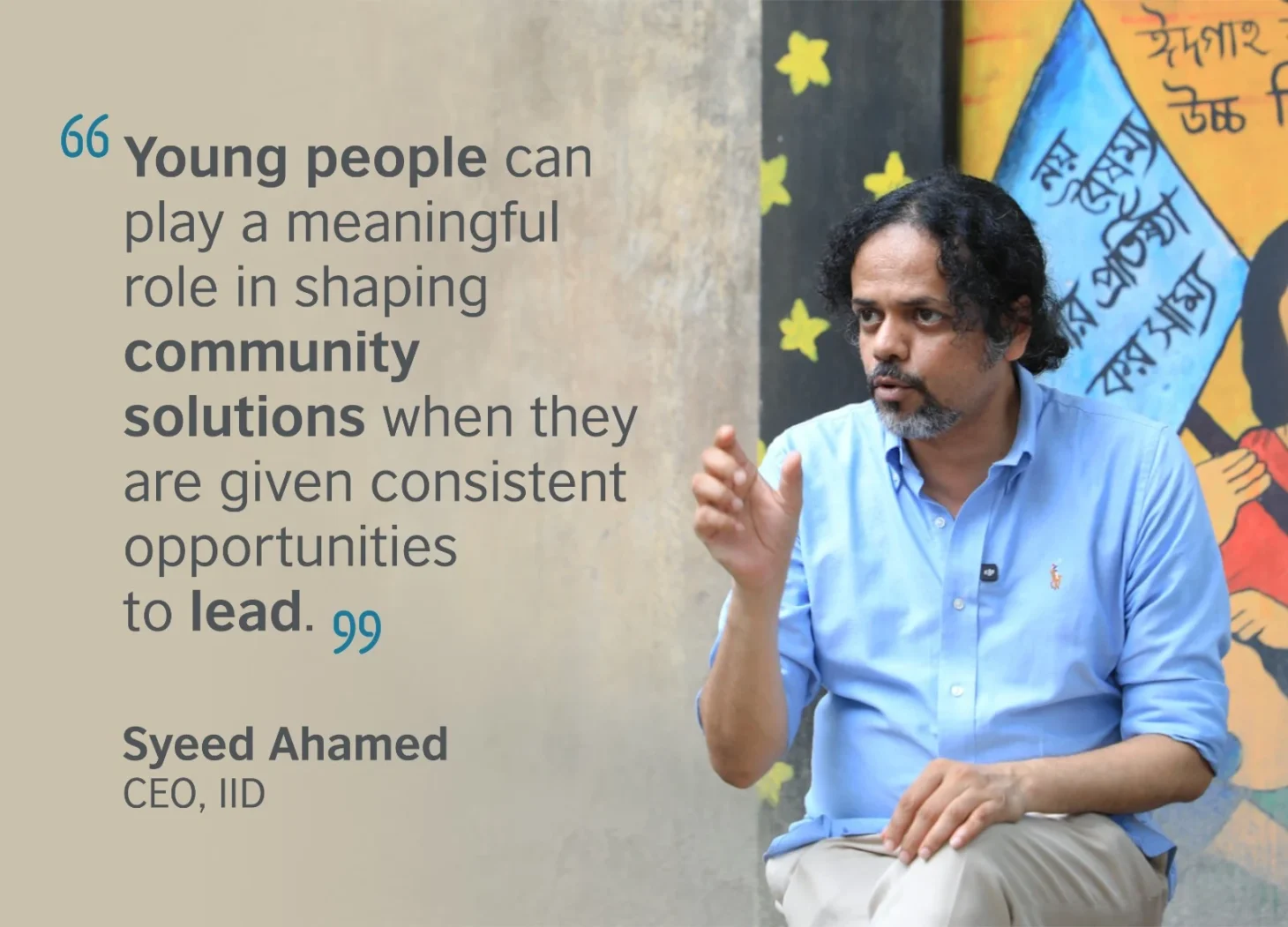
Youth Volunteers Share Experiences and Community Challenges
IID representatives also joined an interactive discussion with volunteers from the YfP Dinajpur Committee. The session focused on youth participation in policymaking, volunteer engagement, and long-term community action.
Volunteers shared both achievements and practical challenges from their field experience, including difficulties in retaining active members and limited opportunities to independently design and lead campaigns.
Participants suggested developing an annual activity calendar and implementing longer-term initiatives to strengthen sustainability and impact. “Young people can play a meaningful role in shaping community solutions when they are given consistent opportunities to lead,” said Syeed Ahamed. The discussion also highlighted positive outcomes from the “Greener Earth Campaign,” including the growth of previously planted trees and continued awareness activities on sexual harassment prevention and community safety.
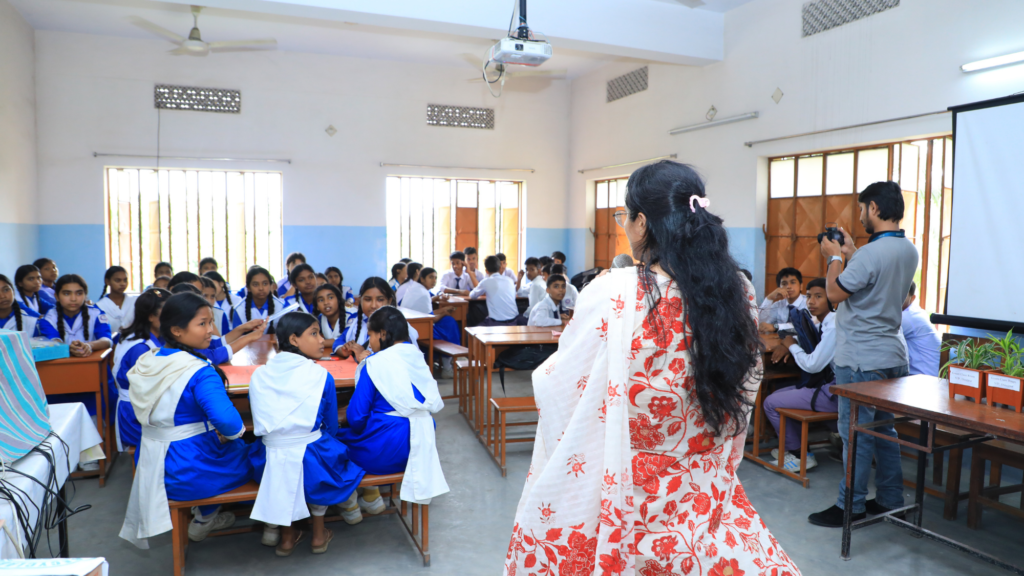
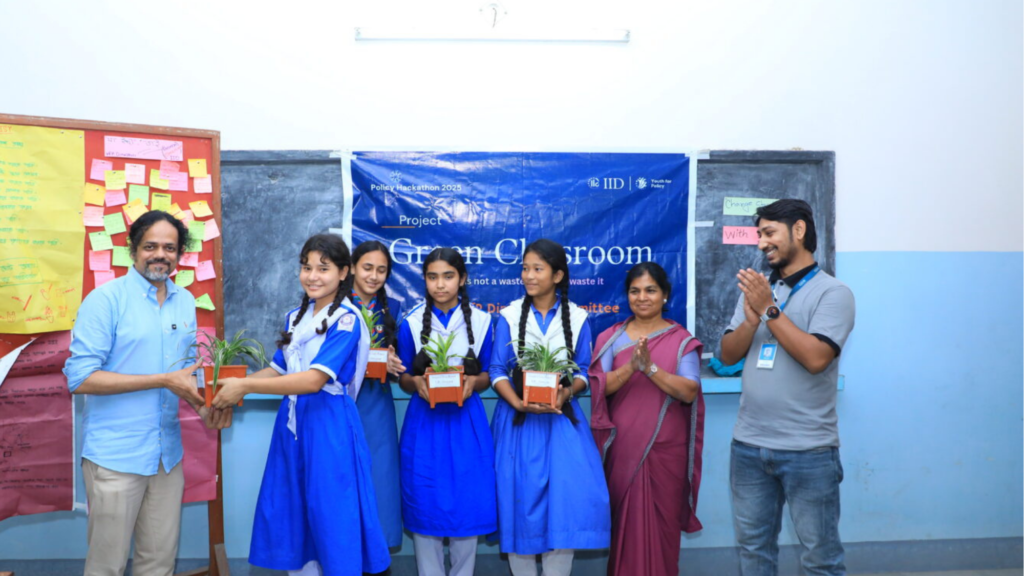
Green Classroom Initiative Showcased at Novara High School
As part of the visit, the IID team observed the “Green Classroom” initiative at Novara High School, developed through a Policy Hackathon organized by the YfP Dinajpur Committee. The initiative promotes environmental awareness by encouraging students to engage with climate change, recycling, and sustainable living practices through hands-on learning. Students presented projects on environmental responsibility during the session and later presented tree saplings to the IID team as a symbolic gesture. Following the visit, Syeed Ahamed held discussions with Assistant Teacher Elizabeth Kusola Rosario on strengthening support systems for vulnerable learners, reducing dropout risks, and improving child protection measures in schools.
Community Engagement in Khatang Para Highlights Marginalized Education Barriers
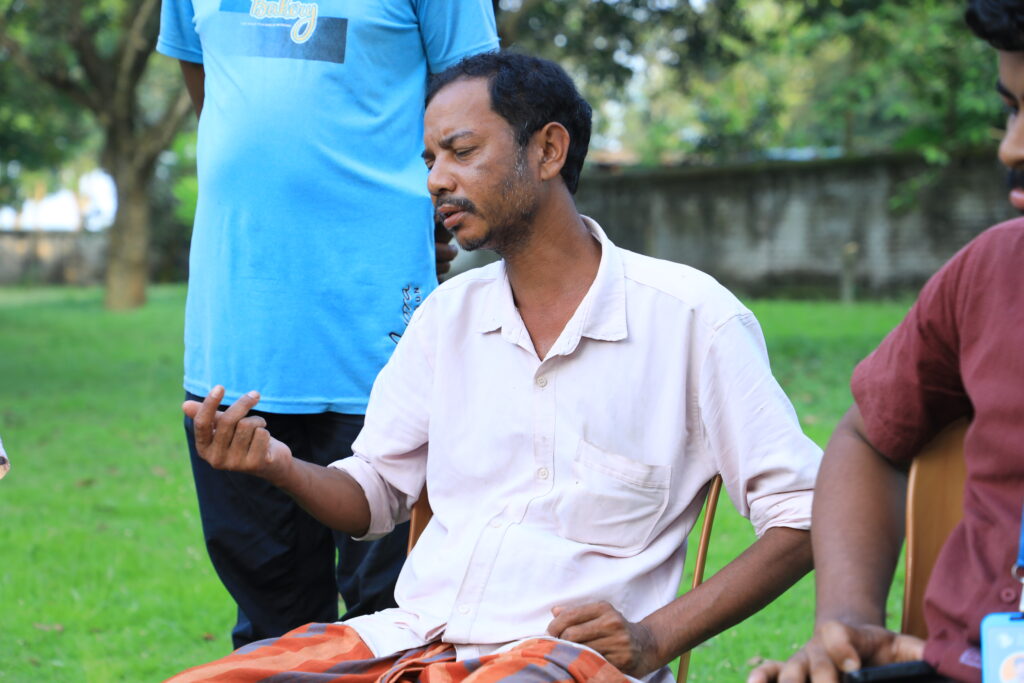
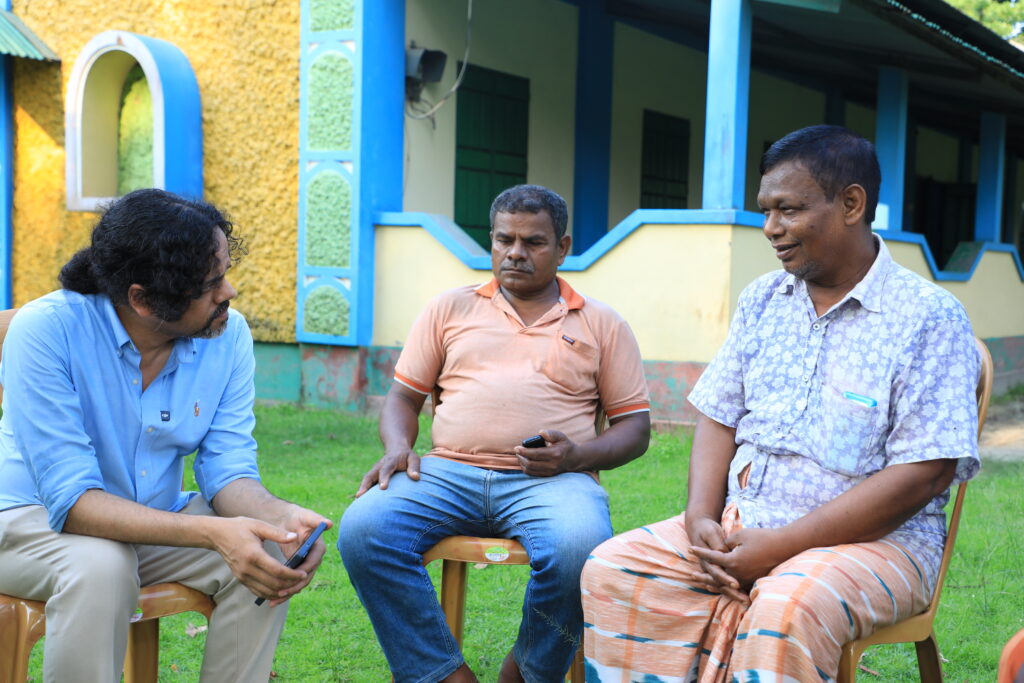
The IID team also visited Khatang Para in Dinajpur Sadar to engage with members of the Santal community and understand barriers affecting access to education. Community leader Shiril Hemrom and participants highlighted key challenges including language barriers, financial hardship, unemployment, and long travel distances to schools. Community members also noted that a previously established school operated by Caritas Bangladesh remains unused and could potentially be reopened with proper coordination and support. Local educated youth expressed interest in contributing to educational activities if opportunities become available. The discussion also revealed concerns over rising unemployment among educated youth, which has affected community perceptions of the long-term value of education and contributed to increased dropout risks. “This engagement helped us better understand the lived realities of marginalized communities and the need for more inclusive education approaches,” said Syeed Ahamed. The visits reinforced IID’s commitment to evidence-based advocacy, youth participation, and inclusive community development in Bangladesh. Insights from these engagements are expected to inform future initiatives focused on reducing learning inequality, strengthening grassroots collaboration, and improving educational opportunities for vulnerable communities.