
Education stakeholders in Bogura emphasized the need for stronger classroom learning, teacher training, parental awareness, skills-based education and inclusive support for rural and marginalized children at a regional consultation titled “Shikkha theke Shombhabona” jointly initiated by the Institute for Informed Development (IID), Youth for Policy (YfP) and Shopnopuron School.
Held on 18 May 2026, the consultation brought together government officials, political leaders, education practitioners, youth representatives, parents, teachers, civil society members and community representatives to discuss local education challenges and identify practical priorities for improving learning outcomes, school participation and the future readiness of children and young people.
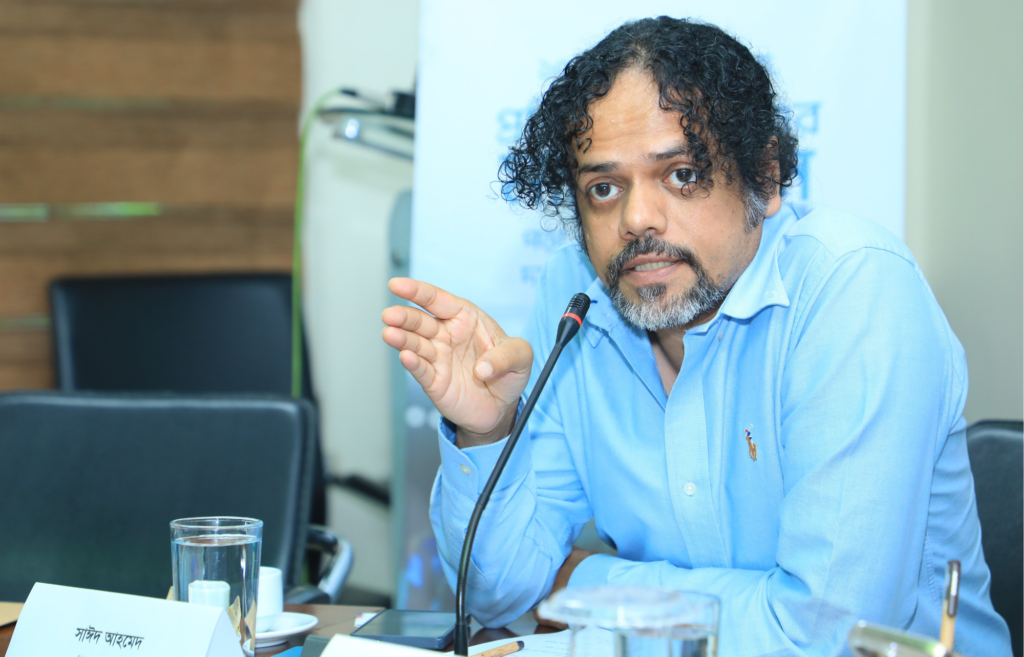
At the consultation, Syeed Ahmed, Founder and CEO of IID, moderated the discussion and presented IID’s ICAN–ICAR findings, noting that children’s foundational learning gaps are also reflected in national assessments, with only 47.4% of Grade 5 students and 70.8% of Grade 8 students achieving minimum proficiency in both reading and mathematics. He emphasized that improving children’s education requires collective action from families, teachers, local administration, public representatives, communities, and policymakers to strengthen classroom learning, teacher support, and evidence-based planning.
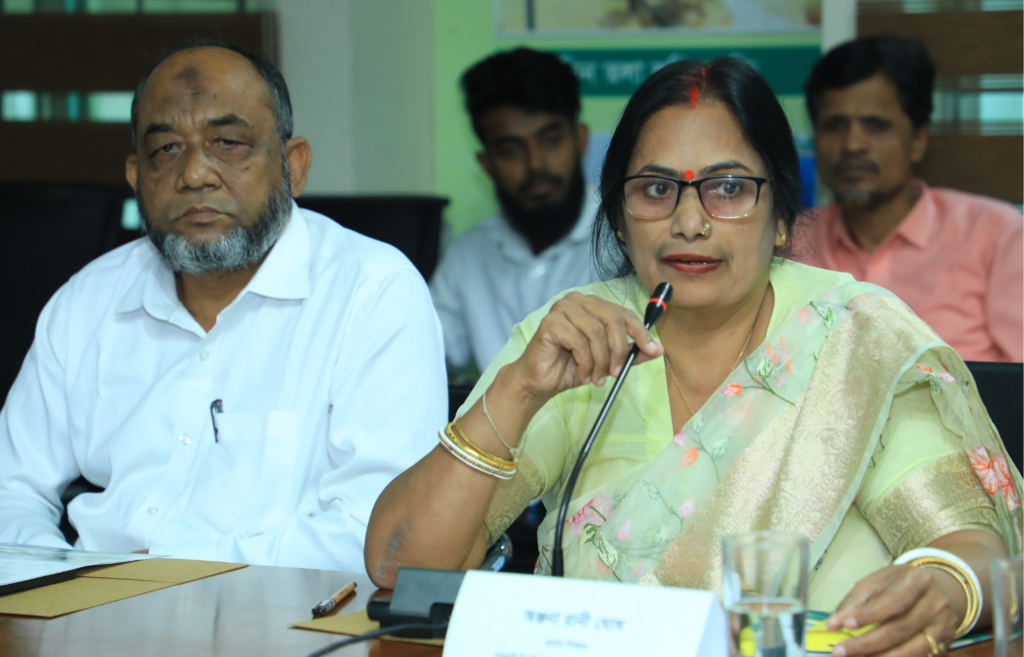
Government officials participating in the consultation included Md. Taifur Rahman, Upazila Nirbahi Officer, Shajahanpur, Md. Saiduzzaman Himu, Upazila Nirbahi Officer, Sherpur, and Md. Abdul Latif, Upazila Education Officer Shajahanpur, Bagura. Their presence reflected the importance of local administration in addressing education challenges such as irregular attendance, poor school environment, infrastructure limitations, and the need for better coordination between schools, families and communities. Md. Taifur Rahman shared that learning becomes meaningful only when children can explain what they have understood in their own words. He stressed the need for regular feedback from students, learner-friendly teaching processes, and stronger teacher-student relationships.
Md. Mizanur Rahman, Founder of Shopnopuron School, delivered a presentation on the journey and work of Shopnopuron School. He shared that despite many obstacles, the school has continued its work with children in different villages. He noted that his participation in IID’s Policy Camp in 2018 gave him greater confidence to expand community-based education initiatives. He also mentioned that during the Covid period, children continued learning while maintaining social distance, and that cultural activities such as pitha festivals were organized to strengthen children’s cultural knowledge and confidence. He added that if community schools like Shopnopuron received facilities similar to government primary schools, they could contribute even more effectively to children’s learning and skills development.
Speakers identified parental negligence, irregular student attendance, financial hardship, shortage of trained teachers, weak school environments, coaching dependency, mobile phone addiction, lack of work-oriented education, and inadequate infrastructure as major barriers to quality education in rural areas. They also stressed that many students continue to move to higher grades without acquiring foundational reading, writing and numeracy skills.
Political and community representatives also shared their reflections. Mosharraf Hossain, Vice President of Shajahanpur Upazila BNP, emphasized the role of parents in children’s education, noting that lack of parental responsibility can seriously affect children’s learning and future. Maulana Abdur Rahman, Amir of Jamaat-e-Islami, Shajahanpur Upazila, highlighted the importance of including children who often remain outside opportunities, referring to the example of Shopnopuron School and the idea that small, consistent initiatives can create meaningful change. Other political and community leaders present included Azizur Rahman Biddut, General Secretary of Shajahanpur Upazila BNP, Shahzadi Laila Arjumand Banu, Acting President of Bogura District Mahila Dal, and M R Hasan Palash, General Secretary of Bogura District Chhatra Dal.
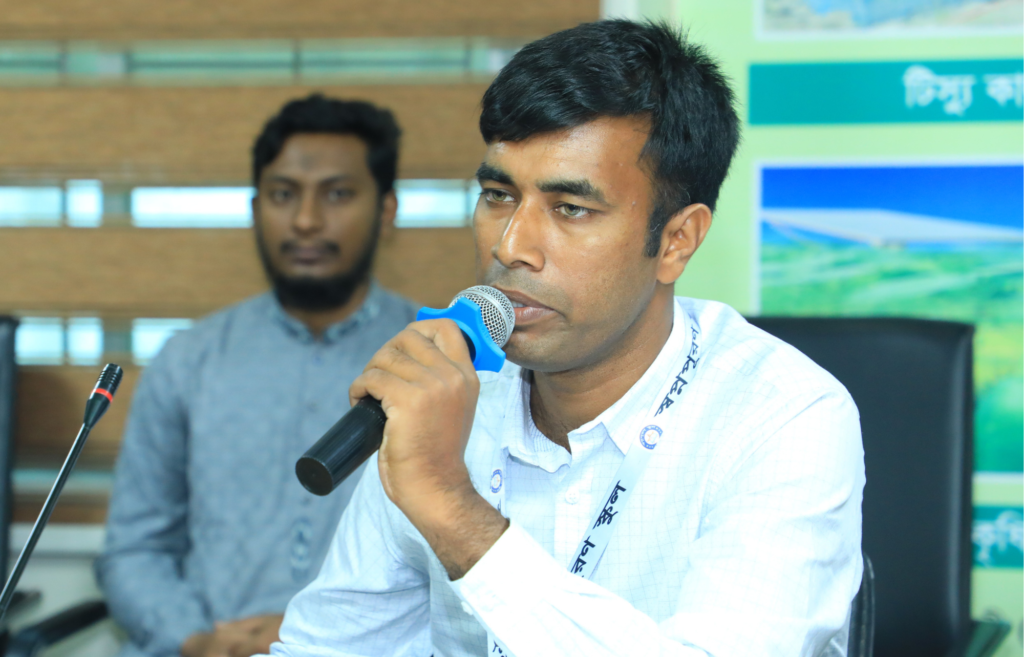
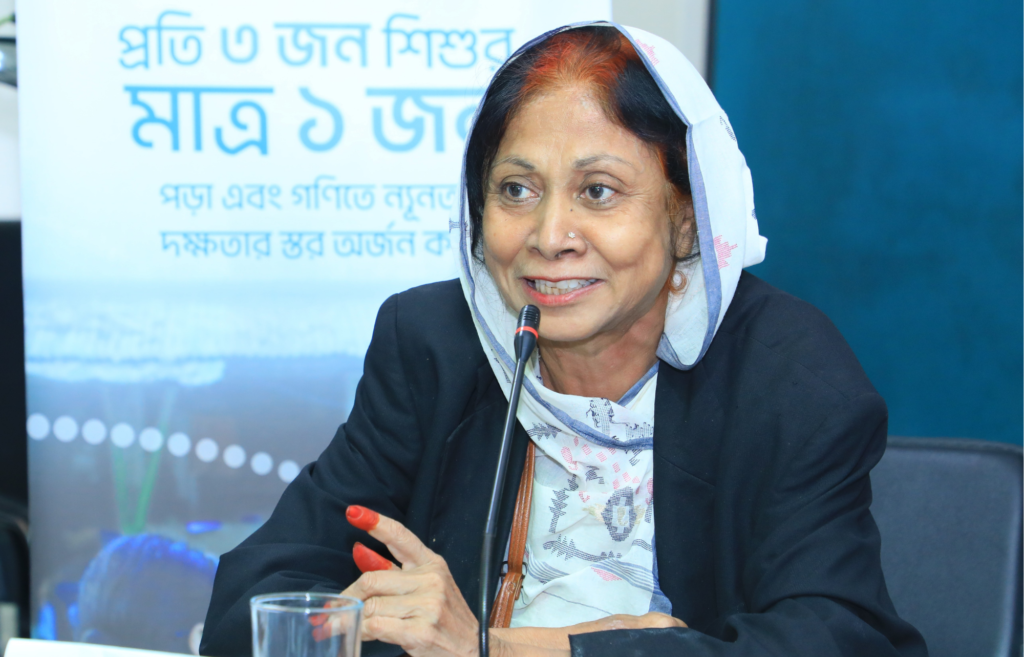
Education practitioners and local stakeholders also raised concerns about learning gaps and school quality. Anjana Rani Ghosh, Headmaster, Government Chanchaitara-Madla United High School, drawing on her 27 years of teaching experience, said that some students enter class six without being able to recognize letters properly. She emphasized the need for stronger research on primary education, improved school environments, teacher sincerity and discipline, and better support for indigenous and minority children, including mother-tongue-sensitive teaching. She also noted that the absence of science labs, IT teachers and sufficient classrooms is keeping many children behind in technology-based learning.
Dr. AKM Zakaria, former Director of Rural Development Academy (RDA) and researcher at CDRC, observed that many institutions are being “managed” rather than transformed. His remarks pointed to the need to move beyond routine administration and focus on meaningful learning, accountability, and quality improvement.
Md. Ferdous Hossain Khan of RDA described education as a process of character building and skills development. He emphasized the importance of need-based education, joyful learning and hands-on learning that engages the head, hand and heart. He also highlighted that education should be connected to students’ abilities, family realities, future citizenship and practical needs.
Youth voices were also reflected in the consultation. Hanjala Sarker from YfP Bogura cautioned against excessive gadget use among children and noted that it may affect their natural development. He referred to international examples such as Finland’s practical education model, the UK’s peer-learning approach and Singapore’s applied mathematics teaching. He also recommended integrating environmental education and hands-on learning into school practice.
Women entrepreneurs and parent representatives highlighted the link between education, poverty and practical skills. Tahomina Parvin Shamoly, a woman entrepreneur, said that the current education system is not sufficiently employment oriented. She noted that while many degree holders are available, there is still a shortage of people with practical work skills. She called for special government policies and budget support for dropout children. Mamtaz Rani, a parent representative, shared that although a government primary school was located near her home, she enrolled her child in Shopnopuron School because of its quality of education. However, she noted that poor families still need support such as learning materials, stipends and bicycles.
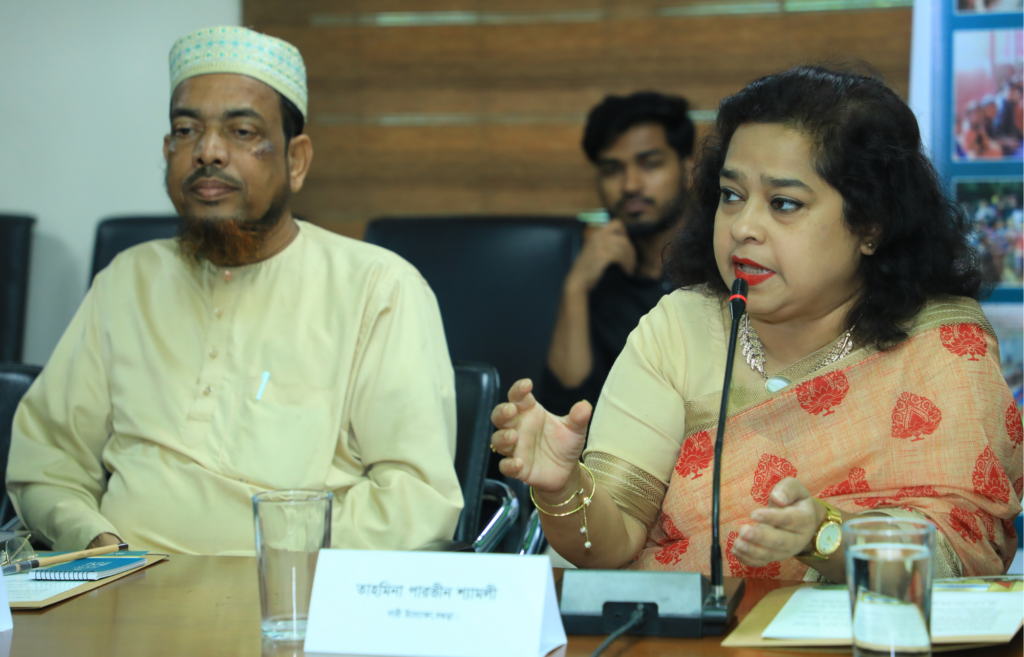
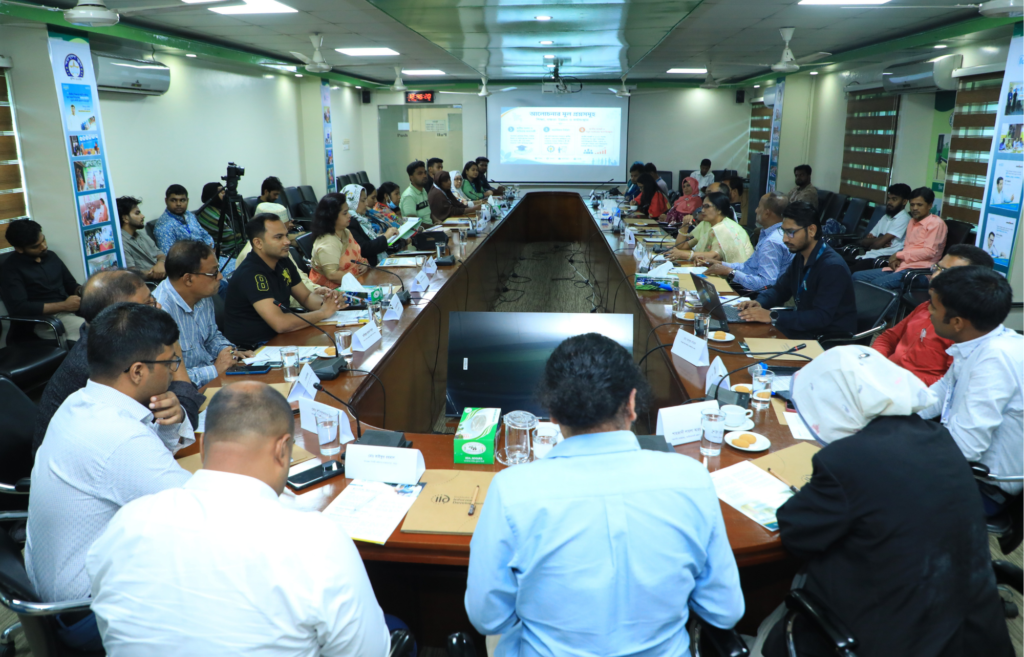
The consultation also highlighted the challenges faced by indigenous communities. Sujan Kumar Rajbhor, President of Bogura District Indigenous Students’ Council, said that many indigenous families continue to face social and educational disadvantages. He stressed the need for greater awareness, support for access to schools, protection of indigenous culture, and employment opportunities after higher education.
Speakers agreed that improving education in rural and marginalized communities requires joint responsibility from families, teachers, communities, local administration and policymakers. They recommended stronger teacher training, parental awareness, joyful and student-centered learning, co-curricular activities, skill development, IT and science education, support for marginalized groups, mother-tongue-sensitive teaching and practical, need-based education.
The discussion concluded with a shared call to move beyond policy statements and focus on effective implementation, coordinated local action and active community participation to ensure that every child—especially those in rural, poor and marginalized communities—can learn, grow and prepare for a better future.