The pre-pilot explored children’s foundational learning and social-emotional wellbeing in host community and refugee camp settings, supporting context-sensitive SEL assessment in Bangladesh.
The Institute for Informed Development (IID) has completed a pre-pilot of the International Common Assessments of Numeracy (ICAN), Reading (ICAR), and Social-Emotional Learning (ICASEL) in Cox’s Bazar to better understand how children’s learning, emotions, social skills, and wellbeing can be assessed in complex and diverse community settings. The pre-pilot was conducted from 7 to 16 June 2026 in two different contexts- the host community in South Rohomoter Bil and the refugee camp setting in Camp 18. The initiative aimed to test whether the integrated assessment tools were understandable, culturally relevant, age-appropriate, and practical for field-level implementation before moving to a larger pilot phase.
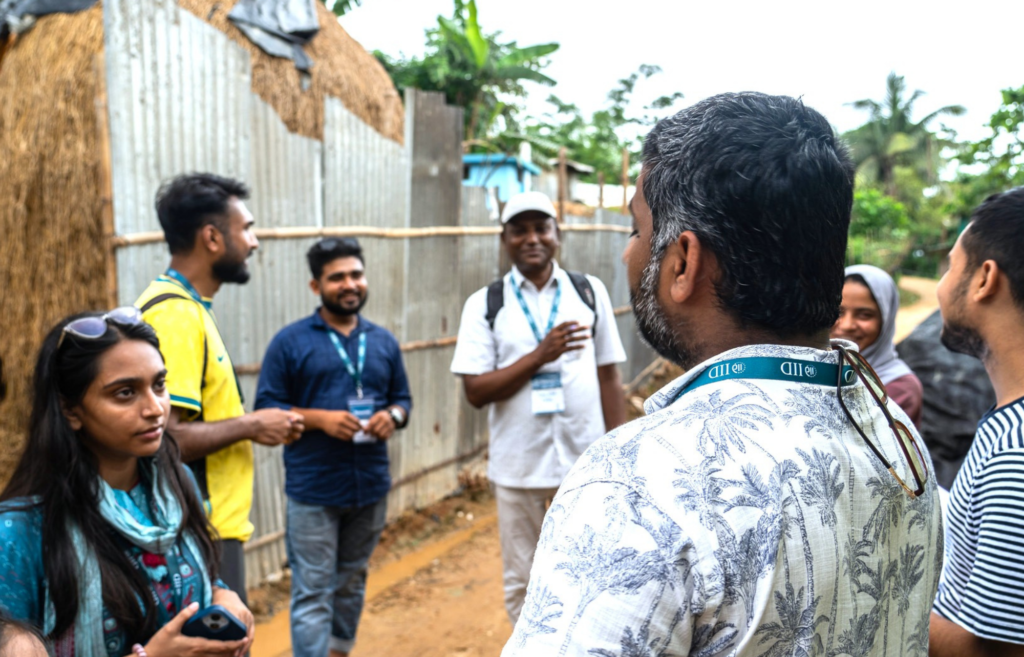
Implemented by IID with technical guidance from global partners, including PAL Network, and local coordination support from Young Power in Social Action (YPSA), the pre-pilot brought together trained enumerators, field coordinators, community stakeholders, caregivers, and children from both host and refugee communities to test the feasibility and effectiveness of the tools in real-world settings. During the field activities, IID’s Chief Executive Officer (CEO), Syeed Ahamed, was also present alongside the IID team and observed different stages of the assessment process, engaging with field teams and community stakeholders.
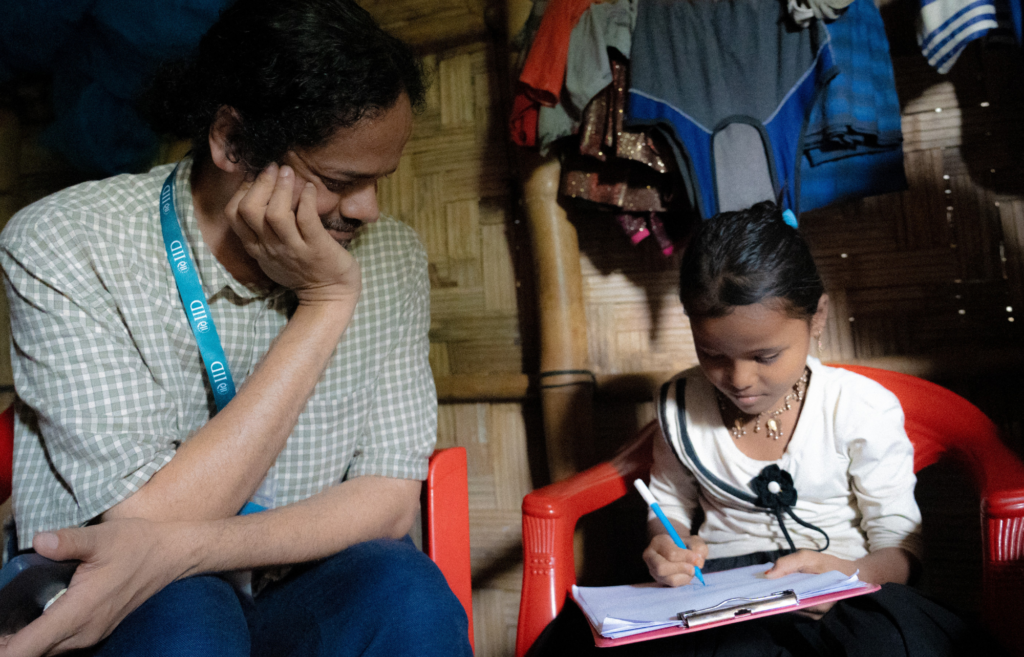
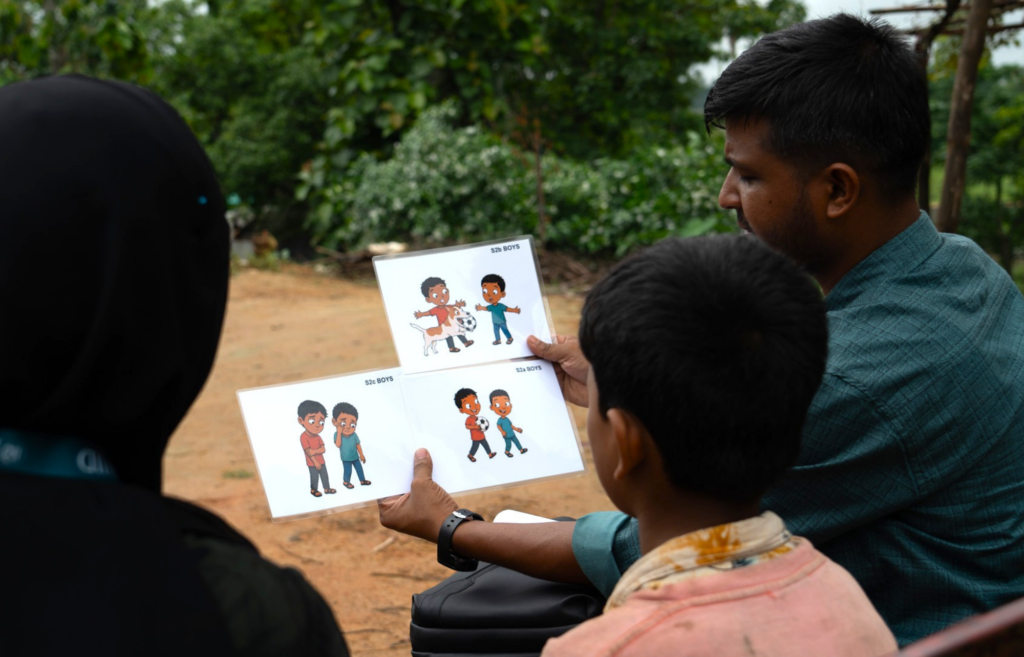
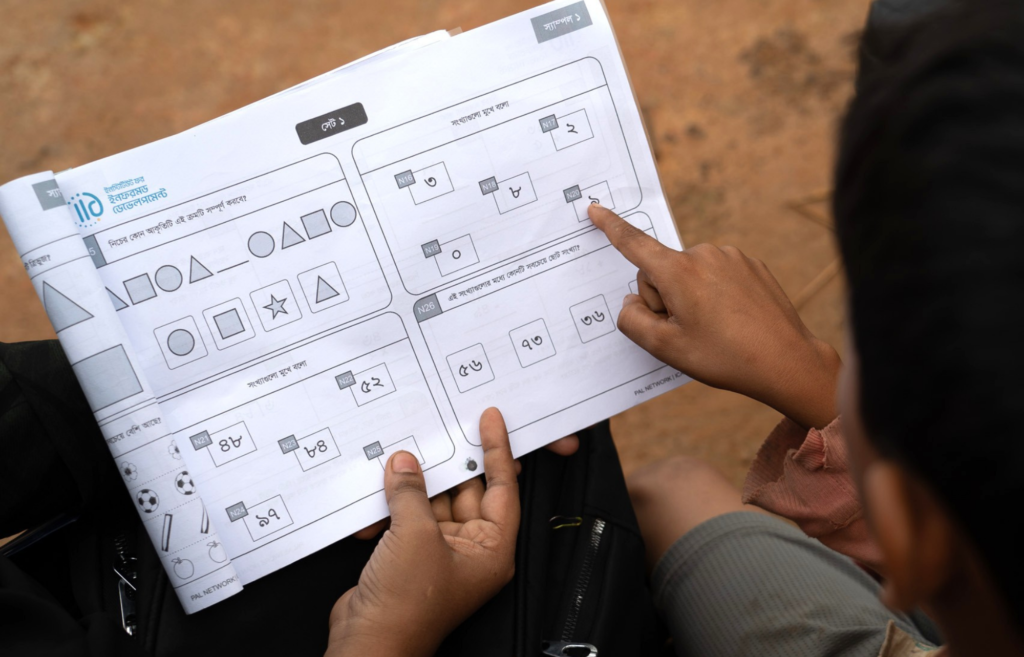
The process included three days of enumerator training, a mock field trial, household listing, and assessments across host and refugee communities. A total of 202 children aged 5–16 years participated in the assessment, including 105 children from host communities and 97 children from refugee camps. The assessments measured foundational learning through ICAN and ICAR, alongside Social and Emotional Learning (SEL) competencies through ICASEL.
According to IID representatives, the pre-pilot served not only as a technical testing exercise but also as an opportunity to understand how children engage with assessment tools in different community contexts. The field experience highlighted the importance of culturally relevant content, child-friendly approaches, community trust, and well-prepared enumerators to ensure meaningful assessment outcomes.
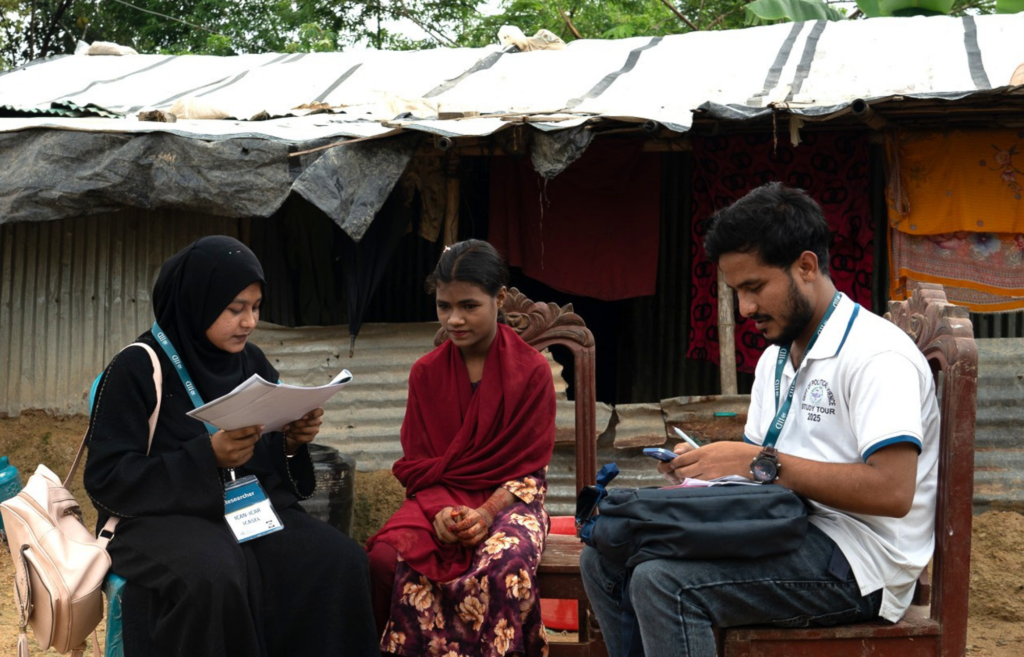
During the feedback session, participants shared their views on the clarity of the SEL scenarios, the child-friendliness of the assessment process, and the appropriateness of the language used. They discussed cultural relevance, age appropriateness, and the practical challenges of implementing integrated assessments in both humanitarian and host community settings. Enumerators and field teams also shared observations on how children interacted with different types of questions and story-based prompts.
The pre-pilot is expected to contribute to the refinement of ICASEL tools and strengthen future assessment design in Bangladesh and similar contexts. For IID, the initiative aligns with its broader mission to generate locally grounded evidence that can support better education policy, inclusive programming, and improved understanding of children’s learning and wellbeing.
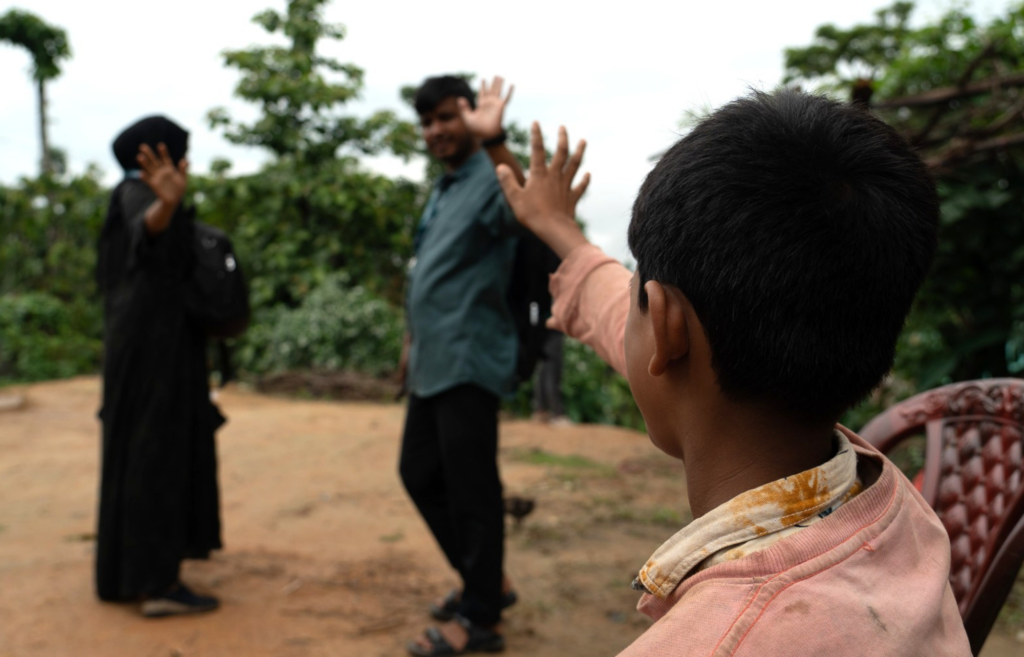
The next step will be to incorporate field learning into the assessment tools and implementation process before the larger pilot phase. IID emphasized the need for greater attention to context-sensitive, inclusive, and child-friendly assessment approaches so that every child’s learning and wellbeing can be better understood and supported.