AI is increasingly shaping global conversations on education, and Bangladesh is no exception. However, the key question goes beyond adoption. It is not just about introducing AI into classrooms, but about how it can transform education into a more inclusive, equitable, and future-ready system for young people.
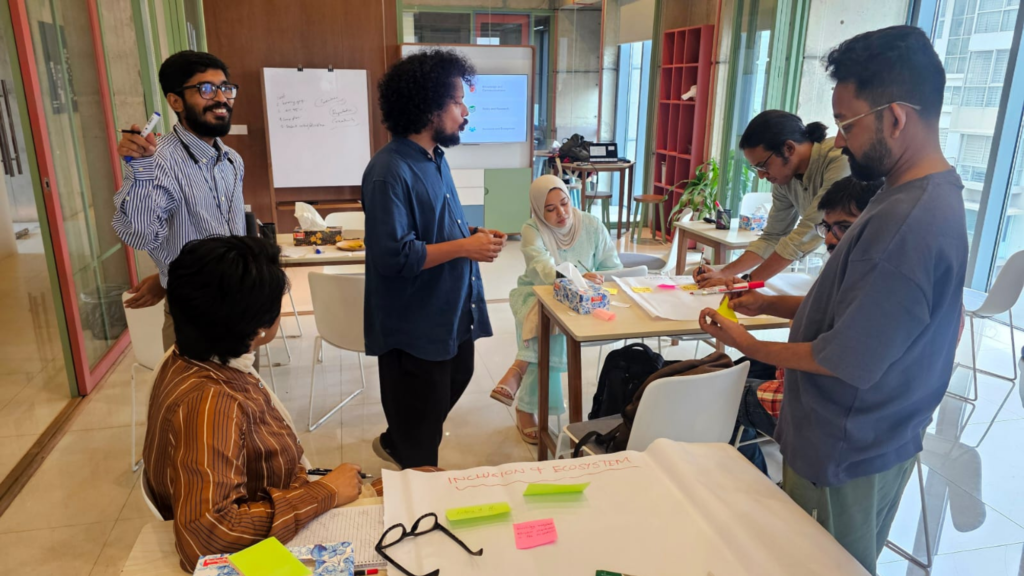
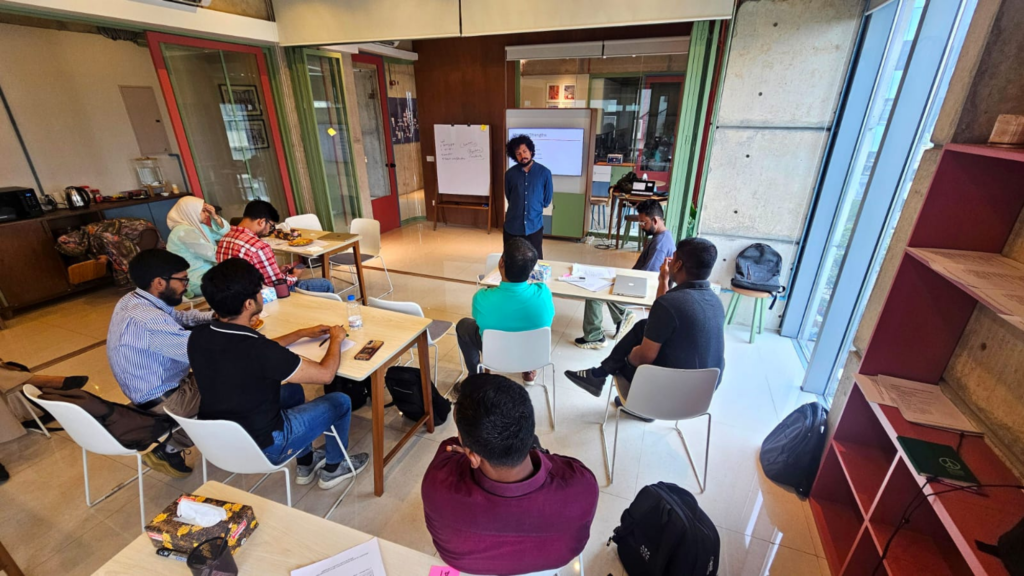
This guiding question framed a reflection workshop jointly organized by IID and #NextGenEdu on 25 April 2026 at Impact Hub Dhaka, Banani. The session brought together around 20 participants from civil society organizations, government institutions, academia, EdTech platforms, and youth-led initiatives.
Rather than following a traditional agenda-based format, the workshop created an open space for reflection and dialogue. Participants examined ongoing initiatives, identified gaps in collective action, and explored how the network could move from fragmented ideas toward coordinated impact. A central insight emerged: the complexity of Bangladesh’s education challenges requires collaboration across all stakeholders, including policymakers, educators, researchers, civil society actors, and young people.
AI in Education: Beyond Technology
A significant portion of the discussion focused on AI in education and its practical implications. Participants shared updates on an emerging AI-education learning cohort and a planned AI-focused hackathon scheduled for July 2026. These initiatives aim to explore key areas such as policy advocacy, education communication, and assessment reform in the context of AI integration.
Importantly, the discussion reframed AI not only as a technological shift but also as a question of equity, learning quality, and systemic reform.
Participants also explored how AI and emerging technologies could strengthen teacher capacity, improve student assessment systems, and enhance public-sector learning processes. One key reflection stood out: education stakeholders must not rush to adopt tools without first defining the kind of learning system and society Bangladesh wants to build.
This perspective ensured that the conversation remained grounded in values and long-term educational vision, rather than short-term technological trends.
Strengthening Youth Leadership and Policy Engagement
For IID, the workshop aligns strongly with its ongoing work on education reform, AI, youth capacity building, and policy engagement. The organization continues to promote informed participation in public policy processes, where young people are recognized not only as beneficiaries but as active contributors to solutions.
The workshop reflected this approach by bringing diverse actors together to exchange ideas, question assumptions, and identify practical pathways for collaboration.
Key Outcomes and Next Steps
Several important next steps emerged from the discussion:
- Finalizing the AI in education hackathon plan for 2026
- Identifying key education policy priorities for 2026–2027
- Initiating analysis of national student data to support evidence-based planning
- Exploring resource mobilization opportunities for future initiatives
- Strengthening IID and #NextGenEdu as a collaborative platform for learning, evidence, and innovation
Participants also emphasized the importance of expanding the network to include new voices, strengthening intergenerational learning, and promoting responsible AI use in education policy and practice.
Looking Ahead
The workshop concluded with critical questions that will continue to guide future work:
How can more diverse voices be meaningfully included in the network?
How can intergenerational collaboration be strengthened in education reform?
What does responsible and ethical use of AI in education truly look like?
And how can young people play a stronger role in shaping education policy in Bangladesh?
These questions reflect a broader truth: the future of education will not be shaped by technology alone. It will be shaped by collaboration, inclusion, evidence, and shared responsibility.
The 25 April 2026 workshop marked an important step toward ensuring that AI becomes more than just a technological trend. It can become a meaningful tool for building a more inclusive, equitable, and future-ready education system in Bangladesh.