
Transforming the educational landscape requires a radical shift toward equity-based investment and a pedagogical focus on recovering learning losses through participatory classroom methods.
These were among the primary recommendations discussed at a high-level roundtable titled ‘Expectations from the New Government in Education,’ organized jointly by IID and Daily Prothom Alo on March 4, 2026. Held at the Prothom Alo office in Karwan Bazar, the dialogue brought together policymakers, academics, and youth representatives in the presence of the Honorable Minister of State for Education, Bobby Hajjaj, MP, to define urgent priorities for a more inclusive and research-driven future for the nation’s students. To ensure these recommendations translate into measurable impact, the roundtable also outlined a strategic framework focusing on the new government’s first 180-day priorities, actionable steps for equity and inclusion within constituencies, and the vital role of partnerships with civil society and youth networks in fulfilling electoral pledges.

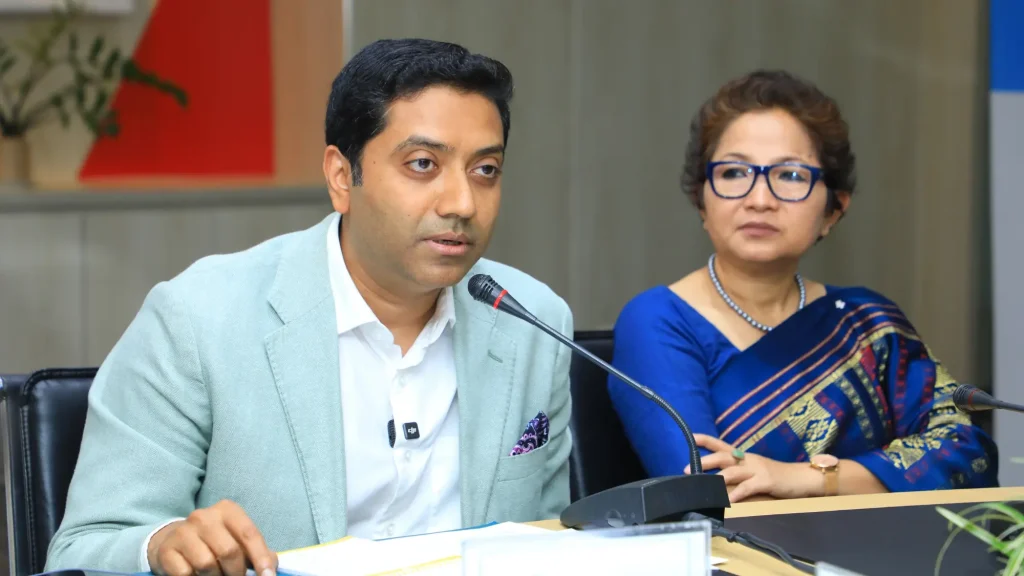
Speaking at the event, Bobby Hajjaj, State Minister for Primary and Mass Education, said the government’s focus would be on “outcome-based and career-oriented education.” He identified curriculum, the classroom and continuity as three priority areas for long-term change. He also noted the importance of technical education alongside sports, arts and culture, and referred to the government’s commitment to raise education spending.
Ilira Dewan, Commissioner at the National Human Rights Commission, drew attention to teacher shortages and wider challenges in educational institutions in the Chittagong Hill Tracts. She stressed the importance of “equity, not merely equality,” reinforcing the need for inclusion to remain central to reform efforts.
Sister Shikha Gomez, Principal of Holy Cross College, called for a more progressive education system with greater attention to curriculum, teacher recruitment, teacher training and research. She also raised concerns about the growing commercialization of education and questioned why coaching has become so central. Drawing on reflections from her students, she highlighted the need for regular classroom attendance, consistent teaching across the country, practical learning alongside theoretical instruction, and counselling support for parents.
Presenting findings from an IID’s foundational learning survey, Syeed Ahamed, Chief Executive Officer of IID, said that more than half of students completing primary education still lack basic competencies. He pointed to the persistent rural-urban disparities and noted that among 10-year-old children, only a limited share can both read and understand mathematics. He also referred to evidence showing that 39 per cent of parents cited financial hardship as the main reason for school dropout, while more than half of household education expenditure goes to coaching and private tutors. His remarks underscored a key theme of the roundtable: when classroom learning is weak, the burden of learning shifts to families.
Asif Saleh, Executive Director of BRAC, cautioned against abrupt reforms that fail to diagnose the root problem, warning that this can reproduce short-term, project-driven responses instead of lasting change. Professor Sumera Ahsan of the Institute of Education and Research, University of Dhaka, stressed the need for sector-based planning and argued that positive reforms should not be reversed when governments change.
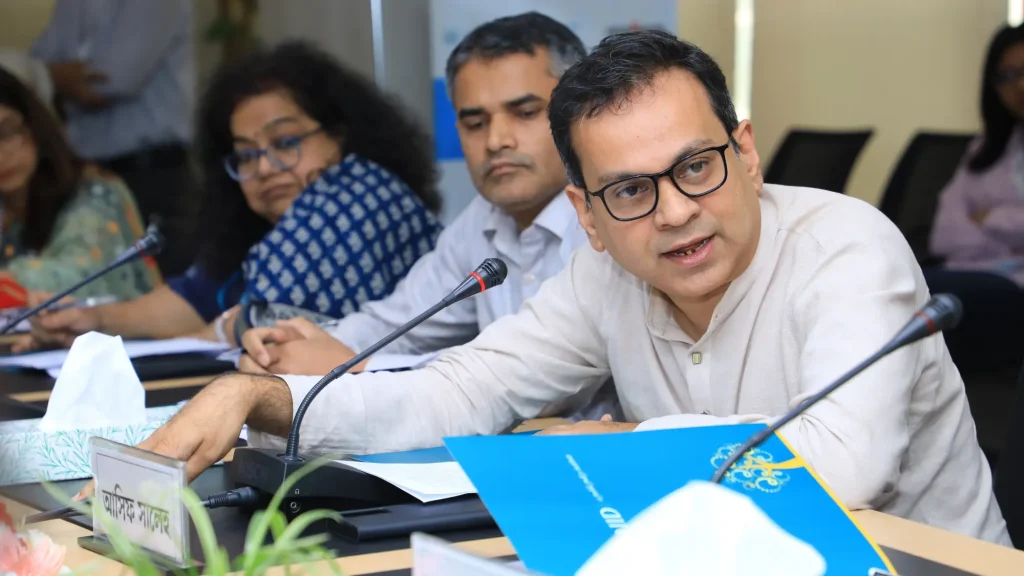
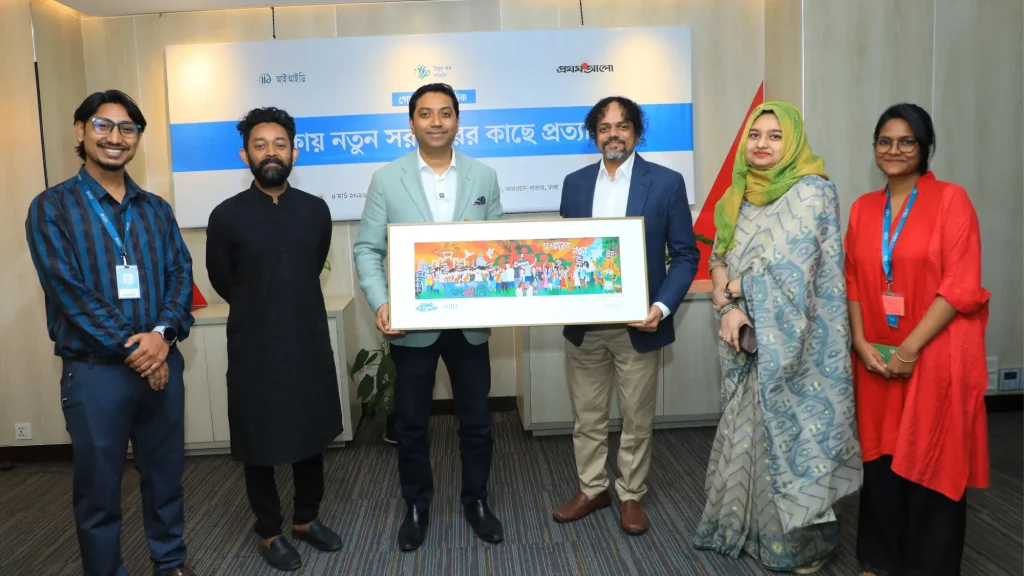
Other participants brought additional perspectives to the discussion. Priyanka Gope, Chair of the Department of Music at the University of Dhaka, emphasised the importance of music and physical education. Rezwana Karim Snigdha, Associate Professor of Anthropology at Jahangirnagar University, called for ending MCQs in university admission tests and reducing the number of students in classrooms. Ayesha Jahan, teacher at Monipur High School and College, highlighted the genuine shortage of teachers and argued that teachers should receive basic training before entering classrooms. She also said educational institutions should be free from undue political influence. Samir Ranjan Nath of BRAC Institute of Educational Development reiterated that the central challenge in education remains the learning deficit and that far greater attention must now be given to classroom learning.
The participant list also included representatives from key national and international institutions, including Deepa Sankar, Chief of Education at UNICEF Bangladesh, Shirin Akter, Programme Officer (Education) at UNESCO, Samia Huq, Dean of the School of General Education at BRAC University, Fahmida Shabnam, education programme specialist at UNICEF, and Sunjida Rahman of IID, among others. Their presence reflected the broad-based concern across sectors around the future direction of education reform in Bangladesh.
Across the roundtable, participants converged on a shared message: Bangladesh’s education reform agenda must move beyond access alone and focus more directly on what children are actually learning in classrooms, how teachers are supported, and how the system can ensure equitable and meaningful learning for all.